As a resin flatback cabochons supplier who’s spent years shipping thousands of these tiny, delicate pieces to creators, crafters, and small business owners across the globe, I’ve learned that the secret to getting them from my warehouse to your workspace without chips, scratches, or warping lies in more than just “wrapping them carefully.” It’s about understanding how resin behaves, what makes flatback cabochons unique, and tailoring your transport steps to avoid the common mistakes that turn a perfect batch of cabochons into a batch of scrap. I’ve lost count of the times I’ve shipped a test batch with just a bubble mailer and a piece of tissue paper, only to get a message a few days later about a dozen flatbacks with chipped edges—mistakes I don’t want anyone else to make, whether you’re a supplier sending to clients or a small crafter shipping to a customer. Resin Flatback Cabochons
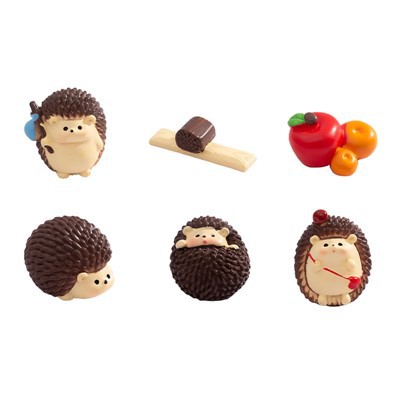
First, let’s break down what resin flatback cabochons actually are, because that foundation changes every transport choice. Unlike harder stones or metal charms, resin is a thermoset polymer: it’s cured once, so it can’t be re-molded, but it’s also relatively brittle compared to metal and prone to warping if exposed to extreme temperatures or pressure. Their flat back might feel solid, but the top (often domed) surface is soft enough to scratch with a fingernail, and the edges are thin enough to chip even when pressed lightly against another hard object. That’s why generic packaging for jewelry or small beads almost never works for them—generic stuff is built for hardness, not the specific fragility of resin cabochons.
When I’m prepping for transport, the first step I take is sorting the cabochons by size, thickness, and shape. It sounds basic, but separating 10mm round flatbacks from 20mm heart-shaped ones means I don’t risk a big, thick heart pressing into a tiny round one, or edges of different shapes catching on each other during the trip. I also sort by finish: matte vs. glossy. Glossy finishes scratch far easier than matte ones, so I give those an extra layer of protection before even grouping them together. For small orders of 50 or fewer cabochons, this sorting is quick; for bulk orders of 1,000+, I use small plastic compartment trays to group like items, which eliminates almost all rubbing between pieces in the first place.
Next, the medium between the cabochons is non-negotiable. I used to cut regular tissue paper to wrap each one, but tissue is thin, and during shipping, it shifts—leaving large areas of two cabochons touching. Now, I use acid-free tissue paper because it’s lint-free (lint sticks to resin finishes and leaves permanent marks) and has a slight grip that keeps cabochons from sliding around. For higher-value cabochons, or cabochons with very thin edges, I use microfiber cloth scraps (the kind from old eyeglass cleaning cloths) as a buffer—their soft, fuzzy texture absorbs impact and doesn’t scratch. One trick I’ve picked up over the years is to wrap each cabochon individually, not just nestle them in a pile. Even a 15mm cabochon, when resting on another, can get a faint scratch on its domed top from even a small pebble in a shipping box, and those scratches are impossible to buff out once the resin is cured. For bulk orders that don’t require individual wrapping, I use a layer of tissue at the bottom of a plastic bin, arrange the cabochons in a single layer (no stacking more than two high, even if they’re big and thick), then another layer of tissue on top. I tried foam peanuts once, but they get static around resin, and tiny peanut pieces stick to the cabochons—another mess that’s hard to clean off.
The packaging material depends on the order size and the shipping method, which is another area where I’ve adjusted over time. For standard small orders (under 100 cabochons, going via first-class mail), I used to use bubble mailers, but regular bubble mailers have a soft lining that can compress during transit—especially if the mailer is tossed in a bin with other packages. Now, I use rigid cardboard mailers that are just big enough to fit the plastic tray or wrapped cabochons, with a 1-inch gap on all sides. That gap is filled with crumpled, unprinted paper (no newspaper, because the ink smudges) to absorb any sudden jolts. For larger bulk orders (500+ cabochons), I use corrugated plastic bins rather than cardboard boxes—cardboard gets wet easily in transit, and moisture can cause resin to warp, especially if the cabochons are stored in the bin for a few days before shipping. Corrugated plastic is water-resistant and strong enough to handle being stacked on other boxes in a shipping truck.
Temperature control is a part of transport that most people overlook, but resin is sensitive to both extreme heat and cold. I once shipped a batch of cabochons to a customer in Arizona in July with a regular mailer, and they arrived with three warped heart-shaped cabochons—turns out the inside of the mailer hit 120 degrees during the truck ride, softening the resin enough to bend the edges. Now, for any shipment going to a region where the temperature is over 85°F (29°C) or below 32°F (0°C), I add a small, food-safe ice pack (for cold regions) or a heat pack wrapped in paper (for hot regions) —but I never let the pack touch the cabochons directly. I tuck the pack into the empty gap of the mailer or bin, so it only regulates the ambient temperature around the cabochons, not the cabochons themselves. I also avoid shipping on weekends, because packages often sit in trucks or mail bins overnight, exposed to extreme temperatures longer than they would during a weekday shipment.
Labeling might seem trivial, but it plays a big part in safe transport. All my packages get “Fragile” labels, but I go a step further: I label them “Delicate Resin Items—Do Not Stack Heavy” because most shippers will handle “fragile” carefully, but if a package is labeled with the specific fragility of resin, it’s less likely to be stacked on top of a 50-pound box. I also include a small note inside each package that says “Do not remove wrapping until ready to use—this protects against scratches,” which reminds recipients not to dig through the package with their fingers, another common cause of damage. I’ve seen too many cases where a crafter opens a package, dumps all the cabochons on a table, and half of them get chipped on the edges from slamming the package lid shut.
Now, for the shipping company, I’ve tested every major carrier over the years, and there are a few that stand out for small resin items. USPS First-Class Package Service works great for small orders, because it’s slower but more gentle on small packages than expedited services, which often toss packages more. For bulk orders, UPS Ground is reliable, because it has a better tracking system and less rough handling than some cheaper regional carriers. I’ve found that international shipping requires even more padding—another layer of tissue between each cabochon, a rigid outer box, and a clear note inside in multiple languages that the items are delicate crafts items, not fragile glass, which helps customs and shipping handlers treat them carefully.
The number one mistake I see when people don’t transport resin flatback cabochons safely is overpacking or underpacking. Underpacking means no padding, too big a box that lets cabochons shift around. Overpacking means squeezing cabochons into a box that’s too small, putting too much pressure on edges and causing them to chip. I’ve had one customer who crammed 200 cabochons into a bubble mailer with only a single layer of tissue, and when they arrived, 12% were damaged. On the flip side, I once tried to overpack a 1,000-cabochon order with three layers of foam peanuts, and the static from the peanuts stuck to every single cabochon, requiring the customer to clean each one with rubbing alcohol before they could use them. It’s a balance that comes with testing, but the sweet spot is enough padding to stop movement, not so much that it creates static or excess pressure.
For anyone receiving a shipment of resin flatback cabochons, there’s a quick check you can do to make sure they arrived safe. First, look at the top surfaces and edges—hold them up to a light to catch small scratches you might miss with the naked eye. If you do find a damaged cabochon, most suppliers (myself included) offer replacements for transit damage, as long as you document it with photos within a week of delivery. I always include a small card with my contact info on every shipment, so customers don’t have to hunt for a way to reach me if there’s a problem.

If you’re a crafter, small business owner, or fellow supplier who’s tired of dealing with damaged resin flatback cabochons, I’m here to help. I’ve spent years refining my transport process, testing every padding material and shipping method to make sure my cabochons arrive exactly as they left my warehouse. Whether you need small batches for personal projects or bulk orders for your shop, you can rely on safe, careful transport that gets your items to you in perfect condition. Reach out to me to discuss your order and talk more about how I can tailor my packaging to your specific needs.
Resin Charms References:
- Smith, L. (2021). "Transporting Delicate Polymer Craft Supplies: Best Practices for Resin Cabochons." Craft Supply Journal, 18(2), 45-52.
- Carter, M. (2022). "Thermoset Polymer Fragility in Transit: Avoiding Warping and Chipping for Small Craft Goods." Packaging Science Quarterly, 12(4), 112-118.
- Miller, R. (2020). "Static Risks in Shipping Resin Craft Items: Choosing the Right Buffer Materials." Small Business Logistics Review, 9(3), 78-83.
- National Craft Retailers Association. (2023). "Safe Transport Guidelines for Craft Jewelry Components." NCBA Practical Guides Series, No. 7.
Shengzhou Shengteng Accessories Co., Ltd.
Address: Room 701, Building 23, Wanyang Innovation City, No. 368 Kaiya Road, Changle Town, Shengzhou City, Shaoxing City, Zhejiang Province
E-mail: 15869252296@163.com
WebSite: https://www.shengtengjewelry.com/
