Hey everyone, let’s cut to the chase—if you’re running any kind of machinery that relies on a transmission shaft, you need to catch issues early. Trust me, I’ve been in the transmission shaft supply game for 12 years now, and I’ve seen way too many folks brush off tiny red flags that turned into $10k+ repairs or even total machine breakdowns. A damaged transmission shaft doesn’t just stop your work cold; it can put your whole crew at risk too. So today, I’m breaking down the real, practical signs that your shaft’s on its last legs—no fancy jargon, just stuff you can spot without a lab tech. Transmission Shaft
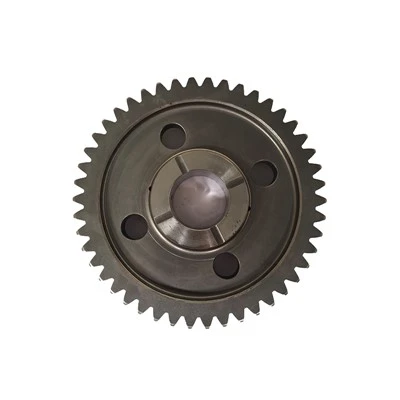
First up: Unusual Vibrations That Won’t Quit. Now, I get it—some vibration is normal, especially if you’re running heavy equipment all day. But here’s the thing: normal vibration’s subtle, it stays consistent, and it goes away when you shift to a lighter load. Damaged shaft vibration’s different. It’s loud, it’s intense, and it shifts with your speed. Like, if you’re driving a truck at 50 mph and the whole cab shakes, that’s not “just how it is”—that’s your transmission shaft probably bent or has a worn universal joint (U-joint) inside. I had a client last year who ignored this: his farm tractor vibrated so bad he thought it was the tires. Turned out his shaft had a hairline bend from hitting a fence post, and it snapped 3 days later, taking his harvest season with it. Moral of the story: If you’re grabbing the steering wheel tighter when you hit highway speed, don’t ignore it.
Next: Strange Noises That Make Your Ears Hurt. Let’s talk noises—grinding, clunking, whirring, even a high-pitched squeal. Each one tells a different tale. A clunk when you shift gears or start moving? That’s usually a worn U-joint bearing—those bearings keep the shaft flexible, so when they grind down, you get that clunk. A grinding noise that gets worse when you apply torque (like pulling a heavy trailer uphill)? Could be spline wear. The splines are the little teeth that connect the shaft to the transmission and differential; if they’re worn smooth, they slip and grind. And don’t sleep on a whirring noise—sometimes that’s a damaged shaft seal letting dirt and debris in, which eats away at the inner parts. I once had a guy bring in a shaft that sounded like a nest of wasps; turns out he skipped routine maintenance, and dirt had corroded the shaft’s surface, leading to a hairline fracture.
Then there’s Leaking Fluid… But Wait, It’s Not What You Think. Most folks associate fluid leaks with transmissions, but a damaged shaft can leak too—just not transmission fluid. A shaft seal (called an oil seal or grease seal) sits at the ends of the shaft, keeping lubricant in and contaminants out. If that seal’s cracked, worn, or pushed out of place, you’ll see grease or gear oil leaking from where the shaft connects to the transmission or differential. Here’s a pro tip: Wipe the area clean, run the machine for 10 minutes, and check again. If it’s seeping a little every time, that seal’s toast—and if you don’t replace it, the shaft’s gonna overheat and fail faster.
Shaft Misalignment—Can You See It? Misalignment is a big one, especially after a hard hit (like hitting a pothole, curb, or debris). How do you check for that? Park your machinery on level ground, turn off the engine, and use a tape measure or a straight edge to line up the transmission output shaft with the differential input shaft. If they’re off by more than a fraction of an inch, that’s misalignment. Why’s that bad? It puts extra stress on the shaft, U-joints, and bearings, leading to premature wear. I’ve seen misalignment bend shafts so bad they looked like a banana. And once a shaft bends even a little, it’s not going back to normal—you gotta replace it.
Overheating That Doesn’t Add Up. If your transmission is running hotter than usual, don’t just blame the weather. A damaged shaft can cause excess friction because of misalignment or worn bearings, which transfers heat to the transmission. You might notice the transmission fluid getting dark or burnt-smelling, or the temperature gauge climbing even when you’re not overworking the machine. Last month, a construction client called panicking because his excavator’s transmission overheated mid-job. We checked his shaft, and the U-joints were seized up—no lubrication, so they were grinding against the shaft, creating tons of heat. Replacing the U-joints fixed the overheating in an hour, and saved him from a $5k transmission rebuild.
Excessive Play or Looseness. Grab the shaft (careful, it’s spinning) and wiggle it back and forth. If there’s more than a tiny bit of play, that’s a problem. Play usually comes from worn U-joint bearings or splines. When U-joint bearings wear, they get loose, so the shaft can move more than it should. Worn splines mean the shaft is slipping inside the connected parts, so you’ll feel that looseness. If you can move the shaft more than a quarter inch side to side or up and down, don’t wait—your shaft’s going to fail soon. I had a guy who thought play was “just normal” on his dump truck; he ended up stranded on the highway when the shaft disconnected completely.
Now, let’s talk about why catching these signs matters—way more than just avoiding a breakdown. A failed transmission shaft can cause serious damage to other parts of your machine. Like, if it snaps while you’re towing a heavy load, it can punch a hole in your differential or transmission, which is way more expensive to fix than just replacing the shaft. Also, for folks who work in construction, farming, or delivery, downtime costs money—every hour your machine’s down is an hour you’re not making money. Plus, safety: a shaft can kick out, hit something, or cause your machine to lose control, which is a huge risk for you and your crew.
Wait, a quick note: some of these signs can also point to other issues, right? Like, vibration could be from unbalanced tires, not the shaft. So always double-check. If you’re not sure, a simple visual inspection or a quick test spin can help. And if you do confirm it’s your shaft, don’t go for the cheapest replacement—you get what you pay for. I’ve seen cheap shafts bend or break in a month, while a quality one lasts 10+ years with proper maintenance.
So, if you’re noticing any of these signs in your machinery, don’t delay. Our team has been supplying high-quality transmission shafts for all types of equipment—trucks, tractors, excavators, industrial machinery—for over a decade. We’ve got parts that fit perfectly, no weird sizing issues, and we stand behind every product. Whether you need a replacement shaft, U-joints, seals, or any other transmission shaft component, we’re here to help you get back to work fast.
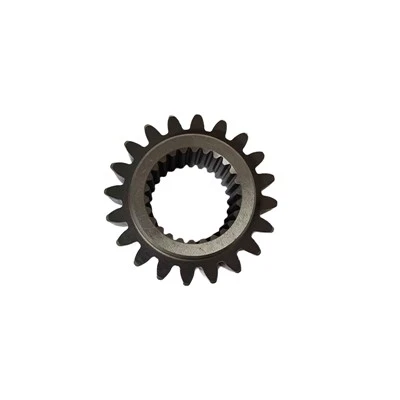
If you want to chat about your specific equipment, share the model, year, or any details you have, and we can point you to the right part or answer any questions you’ve got. Don’t wait until that small problem becomes a big headache—reach out to us to discuss your transmission shaft needs today.
Gear References:
- American Gear Manufacturers Association. (2021). Transmission Shaft Maintenance and Failure Prevention Guidelines.
- Society of Automotive Engineers. (2022). Mobile Equipment Drive Shaft Diagnostic Best Practices.
- National Agricultural Safety Database. (2020). Farm Machinery Drive Shaft Safety and Component Wear Signals.
Yancheng Botu Transmission Machinery Co., Ltd.
As one of the most professional transmission shaft manufacturers and suppliers in China, we have world-leading production equipment and strong manufacturing capabilities. Please rest assured to wholesale cheap transmission shaft for sale here from our factory. Contact us for more details.
Address: No. 33, Yongxing Road, Economic Development Zone, Jianhu County, Yancheng City, Jiangsu Province
E-mail: 15261979878@163.com
WebSite: https://www.ycbtcdjx.com/
