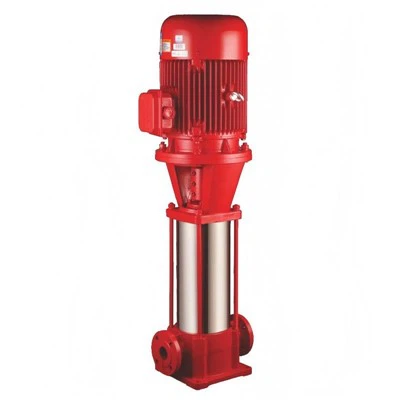
Hey there! I’m a supplier of vertical multistage pumps, and I’ve seen firsthand how important it is to keep these pumps clean. A well – maintained pump not only runs more efficiently but also has a longer lifespan. So, let’s dive into how to clean a vertical multistage pump. Vertical Multistage Pump
Pre – cleaning Preparations
Before you start cleaning the pump, you need to take some safety precautions. First off, turn off the power supply to the pump. This is super important to avoid any electrical accidents. You don’t want to get shocked while you’re trying to clean the thing!
Next, make sure to relieve the pressure in the pump. You can do this by opening the drain valve. This step is crucial because if there’s still pressure in the pump, it can cause the water or other fluids to spray out when you start disassembling it.
Gather all the tools you’ll need for the cleaning process. You’ll probably need a set of wrenches, a brush (preferably a soft – bristled one to avoid scratching the pump parts), a container for the cleaning solution, and some clean rags.
Disassembling the Pump
Once you’ve taken all the safety measures and gathered your tools, it’s time to start disassembling the pump. Start by removing the pump cover. Use your wrench to loosen the bolts that hold the cover in place. Be careful not to lose any of the bolts, as you’ll need them to put the pump back together later.
After removing the cover, you’ll be able to see the impellers. The impellers are the parts of the pump that move the fluid. Carefully remove the impellers one by one. You might need to use a little bit of force, but don’t go overboard. If you’re having trouble, you can try using a rubber mallet to gently tap the impellers loose.
Next, remove the diffusers. The diffusers are responsible for directing the flow of the fluid. They’re usually located between the impellers. Just like with the impellers, use your wrench to remove the bolts holding the diffusers in place.
Cleaning the Pump Parts
Now that you’ve disassembled the pump, it’s time to clean the parts. Fill your container with a suitable cleaning solution. You can use a mild detergent or a specialized pump – cleaning solution. Avoid using harsh chemicals that could damage the pump parts.
Dip your brush into the cleaning solution and start scrubbing the impellers. Pay close attention to the blades of the impellers. Over time, dirt, debris, and mineral deposits can build up on the blades, which can reduce the pump’s efficiency. Make sure to clean both sides of the blades thoroughly.
After cleaning the impellers, move on to the diffusers. Scrub the diffusers to remove any dirt or debris that might be stuck inside. The diffusers have small passages, so it’s important to use a brush with small bristles to get into all the nooks and crannies.
The pump cover also needs to be cleaned. Wipe it down with a clean rag soaked in the cleaning solution. Make sure to remove any dirt or grime from the inside and outside of the cover.
Once you’ve scrubbed all the parts, rinse them thoroughly with clean water. This will remove any remaining cleaning solution and dirt. After rinsing, dry the parts with a clean rag. Make sure they’re completely dry before you reassemble the pump.
Inspecting the Pump Parts
While you have the pump parts disassembled, it’s a good idea to inspect them for any signs of damage. Check the impellers for cracks or chips. If you notice any damage, it’s best to replace the impeller. A damaged impeller can cause the pump to vibrate or reduce its performance.
Inspect the diffusers as well. Look for any signs of wear or blockages. If a diffuser is severely worn or blocked, it might need to be replaced.
Check the seals and gaskets for any signs of wear or damage. Seals and gaskets are important for preventing leaks in the pump. If you notice any problems with the seals or gaskets, replace them.
Reassembling the Pump
After you’ve cleaned and inspected all the parts, it’s time to put the pump back together. Start by installing the diffusers. Make sure they’re properly aligned and secure the bolts tightly.
Next, install the impellers. Make sure they’re installed in the correct order and direction. You might need to refer to the pump’s manual to ensure proper installation.
Once the impellers and diffusers are in place, put the pump cover back on. Tighten the bolts securely, but don’t over – tighten them. Over – tightening the bolts can cause damage to the pump.
Post – cleaning Checks
After reassembling the pump, it’s important to do some post – cleaning checks. First, turn on the power supply to the pump. Listen for any unusual noises. If you hear any rattling or grinding noises, it could indicate that something is wrong with the pump.
Check for any leaks. Look around the pump for any signs of water or fluid leakage. If you notice a leak, you might need to tighten the bolts or replace a seal.
Monitor the pump’s performance. Check the flow rate and pressure to make sure the pump is working properly. If you notice any changes in the performance, it could be a sign that there’s still an issue with the pump.
Why Regular Cleaning Matters
Regular cleaning of your vertical multistage pump is essential. When the pump is dirty, it has to work harder to move the fluid. This not only increases energy consumption but also puts more stress on the pump’s components. Over time, this can lead to premature wear and tear, and eventually, pump failure.
By cleaning your pump regularly, you can ensure that it runs smoothly and efficiently. This can save you money on energy costs and reduce the need for costly repairs or replacements.
Contact for Purchase and Consultation
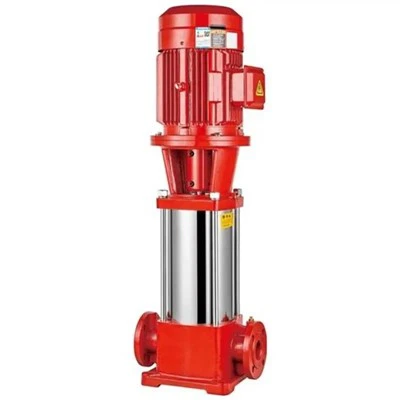
If you’re in the market for a vertical multistage pump or have any questions about pump maintenance and cleaning, I’d love to hear from you. As a supplier, I have a wide range of pumps to suit different needs and applications. Whether you’re looking for a pump for industrial use or a smaller pump for a residential project, I can help you find the right one.
Pipeline Pump Don’t hesitate to reach out to discuss your requirements. I’m here to provide you with the best solutions and advice on vertical multistage pumps.
References
- "Pump Maintenance Handbook" by Heinz P. Bloch
- "Centrifugal Pumps: Design and Application" by Joseph F. Karassik et al.
Taizhou Goodpump Trading Co., Ltd.
We’re well-known as one of the most professional vertical multistage pump enterprises in China, featured by quality products and good service. Please rest assured to buy discount vertical multistage pump in stock here from our factory. For quotation, contact us now.
Address: No. 38, District 6, Zhengye Village, Lunan Street, Luqiao District, Taizhou City, Zhejiang Province, China
E-mail: 19548175755@163.com
WebSite: https://www.goodpump-cn.com/
