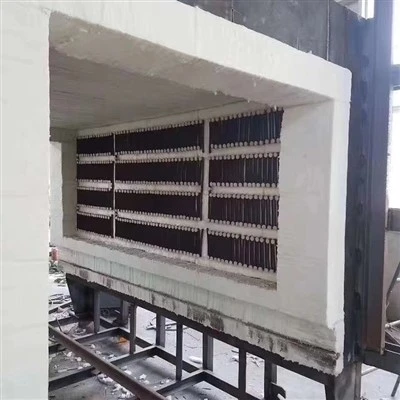
Hey there! I’m a supplier of quenching furnaces, and today I wanna talk about the environmental protection regulations when using these bad boys. As someone in the industry, I know how important it is to follow the rules not just to stay on the right side of the law but also to do our part for the planet. Quenching Furnace
Air Emissions
One of the biggest concerns when it comes to quenching furnaces is air emissions. These furnaces often burn fuels like natural gas or oil to generate heat, and that process releases a bunch of pollutants into the air. The main culprits are nitrogen oxides (NOx), sulfur dioxide (SO2), and particulate matter (PM).
NOx is a major contributor to smog and acid rain. It forms when nitrogen in the air reacts with oxygen at high temperatures, which is exactly what happens in a quenching furnace. SO2, on the other hand, comes from the sulfur in the fuel. When burned, it turns into SO2, which can damage the environment and human health. PM consists of tiny particles that can be inhaled into the lungs, causing respiratory problems.
To comply with environmental regulations, we need to control these emissions. One way is to use low-NOx burners. These burners are designed to reduce the formation of NOx by controlling the combustion process. They can significantly lower NOx emissions compared to traditional burners. Another option is to install air pollution control devices, such as scrubbers or filters, to remove SO2 and PM from the exhaust gases.
In some areas, there are also strict limits on the amount of emissions that a quenching furnace can produce. These limits are usually based on the size and type of the furnace, as well as the location of the facility. We need to make sure that our furnaces meet these limits by regularly monitoring the emissions and making any necessary adjustments.
Waste Management
Another important aspect of environmental protection when using a quenching furnace is waste management. Quenching involves cooling hot metal parts rapidly, and this process generates a lot of waste. The main types of waste include quenching oil, scale, and slag.
Quenching oil is used to cool the metal parts, but over time it can become contaminated with dirt, metal particles, and other impurities. When this happens, the oil needs to be replaced, and the old oil becomes a hazardous waste. To dispose of quenching oil properly, we need to follow strict regulations. This usually involves storing the oil in approved containers, labeling it correctly, and arranging for its transportation and disposal by a licensed waste management company.
Scale and slag are also by-products of the quenching process. Scale is the layer of oxide that forms on the surface of the metal parts during heating, while slag is the molten material that floats on top of the metal in the furnace. These materials can be recycled or reused in some cases, but they also need to be managed carefully to prevent environmental contamination.
Energy Efficiency
In addition to air emissions and waste management, energy efficiency is also a key consideration when it comes to environmental protection. Quenching furnaces consume a lot of energy, and reducing this consumption not only helps the environment but also saves money.
There are several ways to improve the energy efficiency of a quenching furnace. One is to use insulation materials to reduce heat loss. By insulating the furnace walls, doors, and other components, we can keep the heat inside the furnace and reduce the amount of energy needed to maintain the desired temperature. Another option is to use advanced control systems to optimize the furnace operation. These systems can adjust the fuel flow, air intake, and other parameters based on the real-time conditions, ensuring that the furnace operates at its maximum efficiency.
We also need to choose the right fuel for the quenching furnace. Some fuels, such as natural gas, are more energy-efficient and produce fewer emissions than others. By using the right fuel and optimizing its combustion, we can further reduce the energy consumption and environmental impact of the furnace.
Water Pollution
Water pollution is another potential issue when using a quenching furnace. Quenching often involves the use of water to cool the metal parts, and this water can become contaminated with oil, chemicals, and heavy metals. If this contaminated water is not treated properly, it can be discharged into the environment, causing harm to aquatic life and ecosystems.
To prevent water pollution, we need to have a proper water treatment system in place. This system should be able to remove the contaminants from the quenching water before it is discharged. The treatment process may include filtration, sedimentation, and chemical treatment. We also need to monitor the quality of the treated water regularly to ensure that it meets the environmental standards.
Employee Training and Awareness
Finally, it’s important to train our employees on the environmental protection regulations and best practices when using a quenching furnace. Our employees are the ones who operate the furnaces on a daily basis, and they need to understand the importance of following the rules.
We should provide regular training sessions on topics such as air emissions control, waste management, energy efficiency, and water pollution prevention. These training sessions should not only cover the theoretical knowledge but also include practical demonstrations and hands-on exercises. By making our employees aware of the environmental impact of their work and teaching them how to minimize it, we can ensure that our quenching furnaces are operated in an environmentally friendly manner.
Conclusion
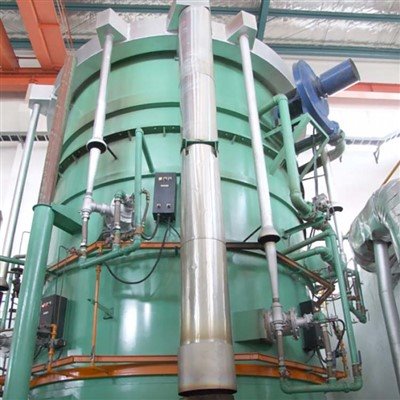
In conclusion, there are several regulations and considerations when it comes to using a quenching furnace in terms of environmental protection. We need to control air emissions, manage waste properly, improve energy efficiency, prevent water pollution, and train our employees. By doing so, we can not only comply with the environmental regulations but also contribute to a cleaner and greener planet.
Crucible Furnace If you’re in the market for a quenching furnace and want to make sure it meets the environmental standards, feel free to get in touch with me. I’d be more than happy to discuss your needs and provide you with the best solutions for your business.
References
- "Industrial Furnaces and Furnace Technology" by Jacob Holtzman and Robert C. Bayha
- "Environmental Regulations for Industrial Furnaces" by the Environmental Protection Agency
- "Energy Efficiency in Industrial Furnaces" by the Department of Energy
Danyang Dingfeng Industrial Furnace Co., Ltd.
Danyang Dingfeng Industrial Furnace Co., Ltd. is one of the most experienced quenching furnace manufacturers and suppliers in China, also supports customized service with low price. Please feel free to wholesale high quality quenching furnace made in China here from our factory. For pricelist, contact us now.
Address: Lizhuang Economic Development Zone, Danyang City
E-mail: saleszk@dffurnace.com
WebSite: https://www.dffurnace.com/
