Impact resistance is a crucial property when it comes to special fasteners. As a supplier of special fasteners, I’ve witnessed firsthand how this characteristic influences the performance and reliability of various applications. In this blog, I’ll delve into what impact resistance means for special fasteners, how it is measured, the factors that affect it, and why it’s so important in different industries. Special Fasteners

Understanding Impact Resistance in Special Fasteners
When we talk about the impact resistance of special fasteners, we’re referring to their ability to withstand sudden, high – force loads without failing. Unlike static loads, which are applied gradually and remain constant, impact loads occur in an instant and can be several times greater than the steady – state forces a fastener might encounter.
Special fasteners are designed for unique applications, often in environments where standard fasteners would fall short. For instance, in the aerospace industry, fasteners are subjected to extreme vibrations and rapid changes in pressure during flight. A high – impact event, such as a bird strike or turbulence, can put significant stress on these fasteners. If they lack sufficient impact resistance, they could break, leading to catastrophic consequences.
In the automotive industry, special fasteners are used in critical components like the engine and suspension systems. During normal driving, these fasteners experience a range of forces, but sudden impacts from potholes or collisions can test their limits. A fastener that fails under impact can cause parts to come loose, compromising the safety and performance of the vehicle.
Measuring Impact Resistance
There are several methods used to measure the impact resistance of special fasteners. One of the most common is the Charpy impact test. In this test, a notched specimen of the fastener material is placed in a machine, and a pendulum is released to strike the specimen. The energy absorbed by the specimen during fracture is measured, and this value is used to assess the material’s toughness and impact resistance.
Another test method is the Izod impact test, which is similar to the Charpy test but with a different specimen configuration. The Izod test also measures the energy required to fracture the specimen, but it is often used for materials that are more prone to brittle fracture.
In addition to these standardized tests, some manufacturers also conduct in – house testing to simulate real – world impact conditions. For example, they might subject fasteners to repeated impacts at different frequencies and amplitudes to assess their long – term durability under dynamic loading.
Factors Affecting Impact Resistance
Material Composition
The material used to make special fasteners has a significant impact on their impact resistance. For example, alloy steels are often used in high – performance fasteners because they offer a good balance of strength and toughness. The addition of elements such as chromium, nickel, and molybdenum can improve the material’s hardenability and resistance to impact.
Stainless steels are also popular for special fasteners, especially in applications where corrosion resistance is required. However, the impact resistance of stainless steels can vary depending on the specific grade. Austenitic stainless steels, for example, are generally more ductile and have better impact resistance than ferritic or martensitic stainless steels.
Heat Treatment
Heat treatment is another crucial factor in determining the impact resistance of special fasteners. By heating and cooling the fastener material in a controlled manner, the microstructure can be altered, which in turn affects its mechanical properties. For example, quenching and tempering can increase the strength and hardness of the fastener while maintaining a certain level of toughness. Over – hardening a fastener, however, can make it brittle and prone to failure under impact.
Design and Geometry
The design and geometry of the fastener also play a role in its impact resistance. A well – designed fastener will distribute the impact load evenly across its structure, reducing the risk of stress concentrations. For example, fillets and radii at critical areas can prevent the formation of cracks and improve the fastener’s ability to withstand impact.
The size and shape of the fastener can also affect its performance. Larger fasteners may be able to withstand higher impact loads, but they may also add more weight to the assembly. Therefore, a balance must be struck between the fastener’s size, weight, and impact resistance.
Importance of Impact Resistance in Different Industries
Aerospace
As mentioned earlier, the aerospace industry demands the highest level of reliability from its components, including special fasteners. The extreme conditions of flight, such as high – speed maneuvers and rapid changes in temperature and pressure, require fasteners that can withstand significant impact loads. A single fastener failure in an aircraft can lead to a loss of structural integrity, endangering the lives of passengers and crew.
Automotive
In the automotive industry, impact resistance is essential for ensuring the safety and performance of vehicles. Fasteners used in the engine, transmission, and suspension systems must be able to withstand the vibrations and shocks associated with normal driving, as well as the sudden impacts of collisions. A reliable fastener can prevent parts from coming loose during an accident, reducing the risk of further damage and injury.
Construction
In construction, special fasteners are used in a variety of applications, including steel structures, bridges, and high – rise buildings. These fasteners must be able to withstand the forces generated by wind, earthquakes, and other dynamic loads. Impact – resistant fasteners can help ensure the stability and longevity of the structure, reducing the need for costly repairs and maintenance.
How Our Special Fasteners Excel in Impact Resistance
As a supplier of special fasteners, we take great pride in the quality and performance of our products. We use only the highest – quality materials, carefully selected for their superior impact resistance. Our alloy steels and stainless steels are sourced from reputable suppliers and undergo rigorous testing to ensure they meet our strict standards.
Our manufacturing process includes advanced heat treatment techniques that are optimized to enhance the impact resistance of our fasteners. We have a team of experienced engineers who monitor and control every step of the process, from material selection to final inspection.
In addition, our design team uses the latest computer – aided design (CAD) software to create fasteners with optimal geometries. We focus on minimizing stress concentrations and ensuring even load distribution, which helps to improve the fastener’s ability to withstand impact.
Why Choose Our Special Fasteners
When you choose our special fasteners, you’re not just getting a product; you’re getting a solution. Our fasteners are designed and manufactured to meet the most demanding requirements of various industries. We understand the importance of impact resistance in ensuring the safety and reliability of your applications.
We also offer a high level of customer service. Our sales team is always ready to answer your questions and provide you with technical support. We can help you select the right fasteners for your specific needs, based on factors such as load requirements, environmental conditions, and cost.
Contact Us for Your Special Fastener Needs
If you’re looking for high – quality special fasteners with excellent impact resistance, we’d love to hear from you. Whether you’re in the aerospace, automotive, construction, or any other industry, we have the expertise and products to meet your needs.
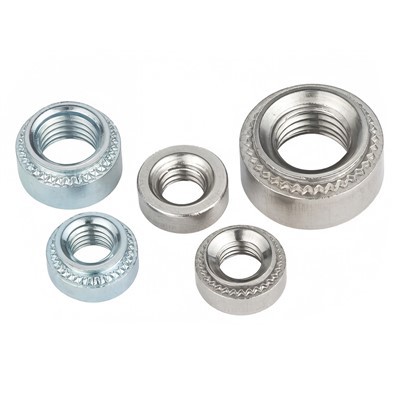
Don’t hesitate to contact us to discuss your requirements. Our team is ready to work with you to find the best solutions for your projects. We are committed to providing you with the highest – quality products and services at competitive prices.
References
- ASM Handbook Volume 8: Mechanical Testing and Evaluation. ASM International.
- ASTM International Standards on Fasteners and Related Products. ASTM International.
- "Engineering Materials and Their Applications" by Donald Askeland and Pradeep Fulay.
Washers Please note that this blog is written in a way that is suitable for a general audience interested in special fasteners and their impact resistance properties. If there are specific aspects you’d like to adjust or expand upon, feel free to let me know.
Shanghai Megood Metal Products Co., Ltd.
As one of the most experienced special fasteners manufacturers and suppliers in China, we have world-leading production equipment and strong manufacturing capabilities. Please rest assured to wholesale bulk special fasteners made in China here and get quotation from our factory. Customized orders are welcome.
Address: Building 8, No. 1500 Huiren Road, Waigang Town, Jiading District, Shanghai
E-mail: liujingshco@163.com
WebSite: https://www.mgx-hardware.com/
