If you’ve ever held a soda can, a phone case, or a set of aluminum cookware, you’ve touched something that started with bauxite—our raw material, and the whole reason I get to wake up most mornings excited about work. A lot of people see bauxite as just that dusty, reddish rock we dig up out of the ground, and assume turning it into shiny, usable aluminum is some super complicated, space-age trick. Nah, it’s a two-step process (mostly) that’s been refined over like 150 years, and I’m gonna break it down like I talk to my crew at the mine site—no stuffy engineering jargon, just real, how-it-works stuff from a guy who’s been sourcing bauxite for 12 years. Bauxite

First, let’s get something straight: not all bauxite is the same. When we pull it out of the pit here, we sort it immediately—stuff high in alumina (that’s the key mineral we care about) goes straight to processing, and lower-grade rock gets stockpiled for when demand picks up a bit later. You don’t wanna waste the good stuff on messy steps, right? That’s why we test every load before it even leaves our yard—take a quick sample, run a simple burn test, and know exactly where it’s gonna go. Saves time, saves money, keeps the line moving.
Step one is the Bayer Process, and that’s where most of the bauxite’s transformation happens. Here’s how it goes: first, we crush the bauxite into tiny, gravel-sized chunks—like, smaller than your thumb, basically. Throw that into a big, pressure-cooker-style tank (we call ‘em digesters) with a hot, caustic soda solution (NaOH for the nerds, but just “caustic” to us). Crank up the heat to like 280°F and the pressure to 50 PSI, let it sit for a couple hours. The caustic eats up the alumina in the bauxite, turning it into sodium aluminate—all the other junk, like iron oxide (which is why bauxite is that red color) and silica, sinks to the bottom as a sludge we call red mud. That red mud’s the leftover stuff we have to dispose of responsibly, by the way—we pump it into lined ponds, so it doesn’t seep into the ground, and every site I work at has a team monitoring that 24/7.
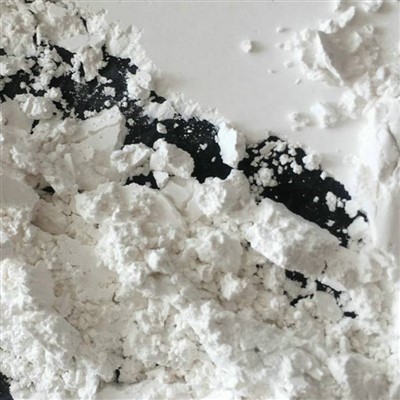
Once the alumina is dissolved in the sodium aluminate solution, we filter out all that red mud (we call that “clarifying” the solution) and then cool it way down. Then we seed it with super fine alumina crystals—like, dust-sized. Those seeds act as nuclei, and the dissolved alumina starts clinging to ‘em, forming big, white, sand-like crystals of what’s called hydrate. We filter that hydrate out, wash it to get rid of any leftover caustic, and then bake it in a kiln at like 1800°F. That bakes off the water, leaving us with pure alumina—white, powdery stuff, like super fine baking flour, but way brighter.
That’s it for step one. Pure alumina. Now step two is the smelting part, which turns that powder into actual aluminum metal. This is the energy-heavy part, no doubt about it—like 95% of the electricity for aluminum production goes here. We don’t do the smelting ourselves (most bauxite suppliers don’t, actually—we send the alumina off to smelters), but I’ve visited enough plants to know exactly what goes down.
The smelting part is the Hall-Héroult Process, named after the two guys who invented it back in 1886, and it’s still the standard today. You take that pure alumina and dissolve it into molten cryolite—we don’t use a separate solvent anymore, mostly, so that’s why it’s called the Hall-Héroult. The cryolite’s super hot, like 1750°F, and it keeps the alumina liquid so we can separate the aluminum. Then you run a huge electric current through it—like, thousands of amps, enough to power a small town for a second. The current breaks apart the alumina molecules, and since aluminum is heavier than the cryolite, it sinks to the bottom of the tank (we call those cells, not tanks) as liquid aluminum. The top of the cell gets carbon dioxide and fluorine gas, which we treat to keep it from getting into the air—environmental rules are strict here, and the plants take that seriously, I’ve seen it.
Every day, the smelters siphon off that liquid aluminum into big crucibles, then send it off to be cast into ingots, rods, sheets—whatever the customer needs. It’s crazy to think that that white powder we ship in truckloads turns into something that’s used in everything from airplane wings to soda cans, right?
Now, as a supplier, this stuff matters to me way more than just knowing the process for small talk. Because if I send bauxite that’s too low in alumina, the smelter wastes time and energy processing it. If I send contaminated bauxite, they have to redo the Bayer Process, which costs them money, and that makes them less likely to work with me again. I’ve had that happen once, early in my career—messed up a load, didn’t test it right, and the smelter had to send it back. Learned a hard lesson: quality control isn’t just a box to check, it’s how you build trust.
That’s why we’ve got a full lab on site at our bauxite operations—every load gets three tests: one when it’s mined, one before it’s shipped, and one when it arrives at the customer’s plant. We track every single load with a serial number, so if there’s ever a problem, we can trace it back to the exact pit it came from. No guesswork, no “who did that?” headaches.
I also care about the environmental side, because this industry gets a bad rap sometimes. Yeah, processing bauxite uses energy, and red mud is a thing, but we work with environmental teams to make sure our operations are as clean as possible. We replant areas after mining—old pits get graded, topsoil is brought back in, and we grow native trees. Some of the red mud even gets reused, actually—they make concrete and road material out of it, so not all of it goes to the ponds. The smelters I work with use renewable energy too, a lot of ‘em run on hydro power, which cuts their carbon footprint way down.
If you’re someone who uses aluminum—whether you’re a manufacturer making car parts, a packaging company making cans, or even a construction firm building windows—you know how important consistent, high-quality raw material is. You don’t want delays because your bauxite wasn’t right, or price swings because someone cut corners on quality. That’s where I come in. I’ve got reliable sources, I know the process inside and out, and I’m not gonna send you anything less than exactly what you need.
Look, turning bauxite into aluminum isn’t magic, but it’s precise. It’s a balance of mining smart, processing carefully, and making sure every step works for both the supplier and the customer. I’ve been doing this long enough to know that when you skip a step or rush a test, you end up with a bad product—and no one wants that.
If you’re in the market for consistent, high-grade bauxite that’s processed efficiently and delivered on time, hit me up. I don’t do fancy sales pitches, I just do good product and fair pricing. Let’s chat, figure out what you need, and make this work for both of us.
Volcanic Rock References
- Bayer, K. J. (1888). Verfahren zur Gewinnung von Aluminiumoxyd aus Tonerde-haltigen Mineralien. German Patent No. 47,357.
- Hall, C. M. (1886). Process of reducing aluminium from its oxides. U.S. Patent No. 400,664.
- International Aluminium Institute. (2022). Bauxite Mining and Alumina Production: Environmental and Social Guidelines.
- World Aluminium. (2023). The Aluminium Production Cycle: From Bauxite to Finished Product.
Lingshou County LM Mineral Products Co., Ltd.
As one of the most professional bauxite manufacturers and suppliers in China, we’re featured by quality products and good service. Please rest assured to buy customized bauxite made in China here from our factory. Contact us for more details.
Address: Dongzhuang Village, Nanyanchuan Township, Lingshou County, Shijiazhuang City, Hebei Province
E-mail: lmwtwz@163.com
WebSite: https://www.lmwtz.com/
