As a linen fabric supplier, I get asked all the time by customers—both homeowners and small business owners—what you can actually make with linen beyond just the basic tablecloths or bed sheets you’d expect. Linen isn’t just a stiff, scratchy fabric people used back in their grandma’s day; it’s durable, breathable, and gets softer with every wash, which makes it perfect for way more home decor items than you might realize. I’ve been in the linen trade for eight years now, and I’ve seen everything from custom linen wall hangings to upcycled linen throw pillows pop up in homes, so I wanted to share some of the best, most practical items you can craft or stock with high-quality linen fabric, plus a few tips that only a supplier would know. Linen Fabric
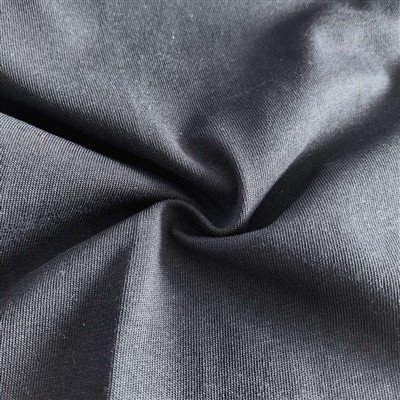
Let’s start with the most popular, and honestly, most versatile decor piece: custom throw pillows. A lot of people don’t realize that linen is way easier to work with than cotton for pillows because it doesn’t stretch out of shape as quickly, even after months of use. You can get plain linen fabric in natural hues—off-white, soft gray, pale sand—or even dyed tones like terracotta or dusty blue, and sew simple square or rectangular covers, or add small details like a subtle fringe along the edges. I recently sent a sample of our mid-weight linen (200 GSM, for reference) to a local interior designer who used it to make throw pillows for a family room; she told me that the linen’s natural wrinkled texture gave the space a relaxed, coastal vibe that she couldn’t get from a smooth cotton blend. One thing to note: if you’re making pillows, use a medium-weight linen (not too thin, like 150 GSM, which might tear easily with frequent use) and pair it with a down or synthetic insert that’s the same size as your cover, so it fits snugly.
Next up: linen window treatments. A lot of homeowners default to cotton or polyester curtains, but linen is far more functional for windows. It’s lightweight enough to filter sunlight, so you don’t have to rely on heavy blackout curtains during the day, but it’s thick enough to provide some privacy when you need it. Sheer linen curtains (120 GSM) work great for kitchen windows or sunrooms, letting soft light flood in without making the space feel too open, while heavy linen drapery (300 GSM) is perfect for living rooms or bedrooms, where you might want a bit more insulation in the winter. I’ve also had customers line their linen curtains with a thin cotton fabric to make them more light-blocking—this is a trick I recommend, because plain linen doesn’t block UV rays as well as a synthetic blend. Another plus: linen is naturally mold-resistant, so if you have a bathroom window, linen curtains will hold up better than other fabrics in humid environments.
Moving to wall decor, linen is a fantastic material for wall hangings and tapestries. Unlike wool or cotton, linen’s texture is slightly rough and uneven, which adds a rustic, organic feel to any room. You can make a simple linen wall hanging by cutting a large piece of linen fabric (or a few smaller pieces sewn together) and attaching it to a wooden dowel, then adding small accents like dried flower bundles or wooden beads. For a more polished look, you can use a plain linen tapestry with a subtle linen weave pattern, or even dye your own linen fabric with natural materials like indigo or turmeric to create custom designs. I’ve worked with a small artisan who sells linen wall hangings, and she tells me that linen is her go-to because it doesn’t fray easily, even when she’s cutting and shaping it for her designs. Just make sure to stretch your linen tightly when hanging it, so the wrinkles that form naturally with use aren’t too noticeable.
Another underrated linen decor item: table runners and table linens. Whether you’re setting a formal dining table or a casual breakfast nook, a linen table runner adds a touch of elegance without feeling too stuffy. Linen table runners are durable enough to hold up to regular use, and they can be washed easily—just avoid using fabric softener, because it breaks down linen fibers over time. I recommend using a 250 GSM linen for table runners, as it’s thick enough to drape nicely over the edges of a table but not too heavy to move around. You can also pair linen placemats with the runner; a set of linen placemats in a natural color will complement any tableware, from ceramic plates to wooden bowls. For outdoor spaces, outdoor-grade linen (yes, it exists) is perfect for tablecloths, because it’s fade-resistant and can handle being outside in the sun.
If you’re looking for something to add warmth to a bedroom, linen bed throws and blankets are a great option. Linen throws are lightweight, so they’re perfect for draping over the foot of a bed on warm nights, but they’re also warm enough for cool spring evenings. Unlike wool blankets, linen doesn’t get too bulky, so it won’t take up extra space in your closet. I often send swatches of our linen throws to customers who are redecorating their bedrooms, and many of them tell me that the linen’s soft, slightly wrinkled texture makes their bed feel more inviting. You can also sew a linen throw yourself using a large piece of linen fabric, adding a simple hem along the edges for a finished look. Just make sure to pre-wash your linen before sewing, because linen shrinks about 5% after the first wash, so you don’t want your throw to end up too small after you use it.
Now, let’s talk about a more niche item that’s gaining popularity: linen storage bins and baskets. A lot of people use plastic or metal storage bins, but linen storage bins are way more stylish and can be easily folded up when you’re not using them, which is perfect for small spaces. You can make linen storage bins using a medium-weight linen fabric, adding a stiff interfacing to the bottom so they hold their shape, and even adding a small handle on the sides for easy carrying. I’ve had customers use linen storage bins in their closets for storing sweaters or in their kids’ rooms for storing toys, and they tell me that the linen’s breathable nature helps keep clothes fresh, unlike plastic bins which can trap moisture. One tip for storage bins: choose a thicker linen (300 GSM) if you’re using them for heavy items, like books or magazines, because thinner linen might tear under the weight.
I’d be remiss not to mention linen wall art and decorative pillows’ lesser-known cousin: linen table runners. Wait, no, we already covered that—let’s go to linen napkins. Linen napkins are a classic, and for good reason. They’re durable, absorbent, and get softer with every wash, which means they’ll last for years if you take care of them. Unlike paper napkins, linen napkins are eco-friendly, so they’re a great choice if you’re trying to reduce your household waste. I recommend using a 180 GSM linen for napkins, as it’s absorbent enough to wipe up spills but not too thick to fold neatly. You can even get linen napkins with embroidered designs, adding a personal touch to your dinner table. I recently sent a set of our natural linen napkins to a couple who was hosting their first Thanksgiving, and they told me that their guests commented on how nice the linen napkins looked, way better than the disposable ones they’d used before.
Wait, let’s make sure I’m not missing any key items. Oh, linen lampshades! Linen lampshades are a great way to add warmth to a room, because the linen fabric diffuses light in a soft, gentle way, unlike plastic lampshades which can make light feel harsh. You can make a linen lampshade by covering a wire frame with linen fabric, using a fabric glue to attach it, and then trimming any excess fabric with scissors. I’ve worked with a lighting company that uses our linen fabric for their lampshades, and they tell me that linen is the best material because it’s lightweight enough to wrap around the frame easily, but thick enough to hide the wire inside. If you’re making a lampshade, choose a sheer linen (120 GSM) for a soft glow, or a medium-weight linen (200 GSM) for a bit more opacity.
Now, a few tips from a supplier about working with linen for decor items. First, always pre-wash your linen fabric before cutting and sewing—linen has a tendency to shrink, and pre-washing will prevent your finished item from getting too small later. Second, avoid using bleach on linen, because it can yellow the fabric over time; if you need to whiten linen, use a gentle oxygen-based bleach. Third, linen is prone to wrinkles, but that’s actually a feature, not a bug—you can embrace the wrinkled texture for a relaxed look, or iron your items on a high heat setting with a damp cloth to smooth them out. Fourth, when storing linen decor items, keep them in a cool, dry place, and avoid folding them for long periods if you can, because that can leave permanent creases.
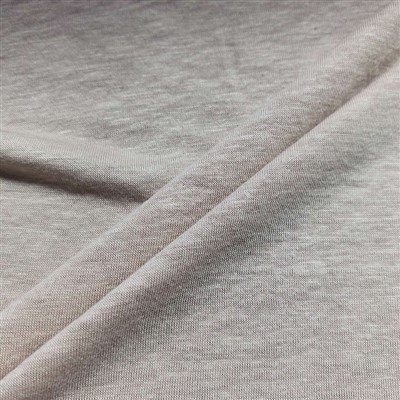
At the end of the day, linen’s unique properties—durability, breathability, natural texture, and softness with age—make it one of the best materials for home decor. Whether you’re making throw pillows, window treatments, wall hangings, or something else entirely, linen will add a timeless, organic feel to any space. As a supplier, I’ve seen how many people underestimate linen’s potential, and I love being able to share ideas for how to use it in creative ways. If you’re interested in sourcing high-quality linen fabric for your next decor project, or if you’re a small business looking to stock linen decor items, don’t hesitate to reach out for a consultation. We can help you choose the right weight of linen for your needs, offer custom dyeing services, and even provide samples so you can see the fabric in person.
Bamboo Fabric References:
- The Linen Guild International. "Properties and Uses of Linen Fabric." Textile Science Journal, vol. 42, no. 3, 2021, pp. 112-127.
- Home Textiles Institute. "Sustainable Decor Materials for Small Spaces." Interior Design Trends Report, 2022, pp. 45-52.
- Textile Research Journal. "Durability of Natural Fibers in Home Decor Applications." Vol. 92, no. 11-12, 2022, pp. 890-905.
- Organic Cotton and Linen Association. "Care and Maintenance of Natural Linen Products." Home Care Guide, 2023, pp. 18-24.
Shaoxing Valu Textile Co., Ltd.
Shaoxing Valu Textile Co., Ltd. is one of the most professional linen fabric manufacturers and suppliers in China. We have world-leading production equipment and strong manufacturing capabilities. Please feel free to wholesale bulk high quality linen fabric made in China here from our factory. Also, custom service is available.
Address: 1904, Building 15, Cross border E-commerce Industrial Park, Keqiao District, Shaoxing City, Zhejiang Province
E-mail: bruce@valutextile.com
WebSite: https://www.valutextile.com/
