In the dynamic landscape of the oil and gas industry, the choice of tools can significantly impact operational efficiency, safety, and overall productivity. One of the ongoing debates in this sector revolves around the superiority of non-magnetic tools for oil over regular tools, particularly in terms of grip. As a supplier of non-magnetic tools for the oil industry, I’ve witnessed firsthand the transformative potential of these specialized tools. In this blog, I’ll delve into the science behind non-magnetic tools, explore their grip advantages, and share real-world insights to help you make an informed decision for your operations. Non-Magnetic Tools for Oil

Understanding Non-Magnetic Tools for Oil
Non-magnetic tools are crafted from materials that do not exhibit magnetic properties, such as certain stainless steels and alloys. These materials are carefully selected to withstand the harsh conditions of oil and gas operations, including exposure to corrosive substances, high pressures, and extreme temperatures. The non-magnetic nature of these tools makes them ideal for use in environments where magnetic interference could pose a risk, such as near sensitive electronic equipment or in areas with high magnetic fields.
The Science of Grip
Grip is a crucial factor in tool performance, especially in the oil and gas industry where precision and control are paramount. The grip of a tool is determined by several factors, including the material of the tool, the surface texture, and the design of the handle. Non-magnetic tools often have a distinct advantage in terms of grip due to their unique material properties and design features.
One of the key factors contributing to the superior grip of non-magnetic tools is the use of high-quality materials. Non-magnetic stainless steels and alloys are known for their durability, corrosion resistance, and smooth surface finish. These materials provide a comfortable and secure grip, even in wet or oily conditions. Additionally, the surface texture of non-magnetic tools can be optimized to enhance grip, such as by adding knurling or other patterns to the handle.
Another advantage of non-magnetic tools is their ergonomic design. Many non-magnetic tools are designed with ergonomic handles that conform to the shape of the hand, reducing fatigue and improving control. This is particularly important in tasks that require prolonged use of the tool, such as drilling or maintenance work.
Real-World Applications
To illustrate the practical benefits of non-magnetic tools in terms of grip, let’s consider a few real-world applications in the oil and gas industry.
Drilling Operations
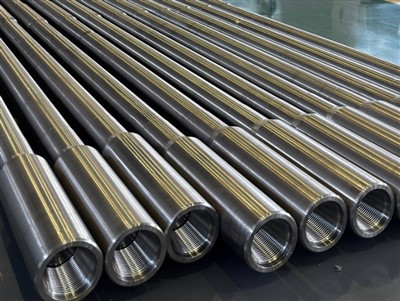
In drilling operations, non-magnetic tools are often used to avoid magnetic interference with downhole instruments. These tools are designed to provide a secure grip, even in high-pressure and high-temperature environments. For example, non-magnetic drill collars are used to maintain the stability of the drill string and prevent magnetic interference with the measurement-while-drilling (MWD) and logging-while-drilling (LWD) tools. The superior grip of non-magnetic drill collars ensures that they can be easily installed and removed, reducing downtime and improving operational efficiency.
Maintenance and Repair
Non-magnetic tools are also widely used in maintenance and repair tasks in the oil and gas industry. These tools are often used to work on sensitive equipment, such as valves, pumps, and electrical components. The non-magnetic nature of these tools helps to prevent damage to the equipment and ensures that the work can be carried out safely and efficiently. For example, non-magnetic wrenches are used to tighten and loosen bolts without the risk of magnetic interference, providing a secure and reliable grip.
Subsea Operations
In subsea operations, non-magnetic tools are essential for working in harsh and challenging environments. These tools are designed to withstand the high pressures and corrosive conditions of the ocean floor. Non-magnetic tools with a superior grip are particularly important in subsea operations, where precision and control are crucial. For example, non-magnetic torque wrenches are used to tighten bolts and nuts to the correct torque specifications, ensuring the integrity of the subsea equipment.
Comparing Non-Magnetic Tools to Regular Tools
While regular tools may be suitable for some applications, non-magnetic tools offer several advantages in terms of grip and performance. Here are some key differences between non-magnetic tools and regular tools:
Magnetic Interference
Regular tools made of magnetic materials can cause magnetic interference with sensitive equipment, such as MWD and LWD tools. This can lead to inaccurate measurements and data, which can have a significant impact on the safety and efficiency of drilling operations. Non-magnetic tools, on the other hand, do not exhibit magnetic properties, making them ideal for use in environments where magnetic interference is a concern.
Corrosion Resistance
Non-magnetic tools are typically made of high-quality materials that are resistant to corrosion, such as stainless steel and alloys. This makes them ideal for use in harsh environments, such as offshore platforms and subsea operations, where exposure to saltwater and other corrosive substances is common. Regular tools, on the other hand, may be more susceptible to corrosion, which can reduce their lifespan and performance.
Grip and Control
Non-magnetic tools are often designed with ergonomic handles and optimized surface textures to provide a secure and comfortable grip. This makes them easier to use and reduces the risk of accidents and injuries. Regular tools, on the other hand, may not have the same level of grip and control, which can make them more difficult to use, especially in challenging conditions.
Conclusion
In conclusion, non-magnetic tools for oil offer a superior grip compared to regular tools, making them an ideal choice for a wide range of applications in the oil and gas industry. The non-magnetic nature of these tools, combined with their high-quality materials and ergonomic design, provides a secure and comfortable grip, even in harsh and challenging environments. Whether you’re involved in drilling operations, maintenance and repair, or subsea operations, non-magnetic tools can help you improve efficiency, safety, and productivity.
Non-Magnetic Tools for Coal If you’re interested in learning more about our non-magnetic tools for oil or would like to discuss your specific requirements, please don’t hesitate to contact us. Our team of experts is available to provide you with detailed information and support to help you make the right choice for your operations.
References
- ASM Handbook Volume 1: Properties and Selection: Irons, Steels, and High-Performance Alloys
- API Specification 7-1: Rotary Drill Stem Elements
- ISO 13628-1: Petroleum and natural gas industries — Design and operation of subsea production systems — Part 1: General requirements and recommendations
Shanxi Zhonghe Non-Magnetic Drill Tool Co., Ltd.
As one of the most professional non-magnetic tools for oil manufacturers and suppliers in China, we also support customized service. With abundant experience, we warmly welcome you to buy high quality non-magnetic tools for oil for sale here from our factory. Contact us for more details.
Address: No.168 Fenglei Street, Houma City, Linfen City, Shanxi Province, China.
E-mail: lucy@nmdrillcollar.com
WebSite: https://www.zhnmdc.com/
