In the realm of supermarket operations, refrigeration stands as a cornerstone, ensuring the freshness and safety of perishable goods. However, this essential function comes with a significant energy cost. As a seasoned Supermarket Refrigeration supplier, I’ve witnessed firsthand the challenges and opportunities in managing refrigeration energy efficiently. In this blog, I’ll share some of the best practices for supermarket refrigeration energy management, drawn from years of experience and industry insights. Supermarket Refrigeration
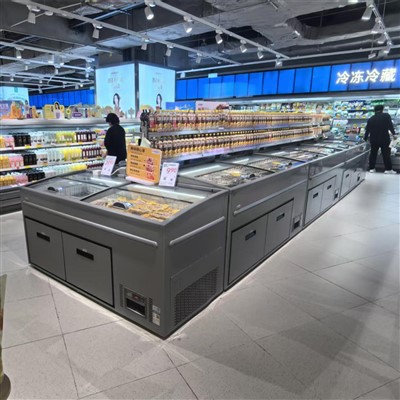
1. Optimize Equipment Selection
The journey to efficient energy management begins with the right equipment. When selecting refrigeration units for a supermarket, it’s crucial to consider factors such as energy efficiency ratings, size, and technology. Energy Star-certified equipment is a great starting point, as it meets strict energy efficiency standards set by the Environmental Protection Agency (EPA). These units are designed to consume less energy without compromising performance, resulting in long-term cost savings.
In addition to energy efficiency ratings, the size of the refrigeration unit should be carefully matched to the specific needs of the supermarket. An oversized unit will consume more energy than necessary, while an undersized unit may struggle to maintain the desired temperature, leading to increased energy consumption and potential product spoilage. Working with a knowledgeable supplier can help ensure that the right equipment is selected for each application.
Another important consideration is the technology used in the refrigeration system. Advancements in refrigeration technology, such as variable speed compressors and smart controls, can significantly improve energy efficiency. Variable speed compressors adjust the compressor speed based on the actual cooling demand, reducing energy consumption during periods of low demand. Smart controls, on the other hand, can monitor and adjust the temperature, humidity, and other parameters in real-time, optimizing energy usage and ensuring consistent product quality.
2. Implement Regular Maintenance
Regular maintenance is essential for keeping refrigeration systems running efficiently. A well-maintained system not only consumes less energy but also has a longer lifespan, reducing the need for costly replacements. Some key maintenance tasks include:
- Cleaning Condenser Coils: Condenser coils can become dirty over time, reducing the efficiency of the refrigeration system. Regular cleaning of the condenser coils helps to improve heat transfer and reduce energy consumption.
- Checking Refrigerant Levels: Proper refrigerant levels are crucial for the efficient operation of the refrigeration system. Low refrigerant levels can cause the compressor to work harder, increasing energy consumption and potentially leading to system failure. Regular checks and recharging of refrigerant levels as needed can help to maintain optimal performance.
- Inspecting Seals and Gaskets: Seals and gaskets on refrigeration doors and cabinets can wear out over time, allowing cold air to escape and warm air to enter. Regular inspection and replacement of seals and gaskets can help to prevent energy loss and maintain the desired temperature inside the refrigeration unit.
- Calibrating Temperature Controls: Temperature controls should be calibrated regularly to ensure accurate temperature regulation. Inaccurate temperature controls can cause the refrigeration system to run longer than necessary, increasing energy consumption.
3. Optimize Store Layout and Design
The layout and design of a supermarket can have a significant impact on refrigeration energy consumption. Here are some best practices to consider:
- Grouping Refrigeration Units: Grouping refrigeration units together can help to reduce the amount of cold air that is lost when doors are opened. This can be achieved by placing refrigeration units in a centralized location or by using aisle dividers to separate different areas of the store.
- Using Insulation: Proper insulation can help to reduce heat transfer and energy loss. Insulating the walls, floors, and ceilings of refrigeration areas can help to maintain the desired temperature inside the refrigeration unit and reduce the amount of energy needed to cool the space.
- Installing Energy-Efficient Lighting: Energy-efficient lighting, such as LED lights, can help to reduce energy consumption in the supermarket. LED lights consume less energy than traditional incandescent or fluorescent lights and have a longer lifespan, reducing the need for frequent replacements.
- Implementing Air Curtains: Air curtains can be installed at the entrances of refrigeration units to prevent warm air from entering and cold air from escaping. This can help to reduce energy consumption and maintain the desired temperature inside the refrigeration unit.
4. Monitor and Analyze Energy Usage
Monitoring and analyzing energy usage is essential for identifying areas of improvement and implementing effective energy management strategies. Here are some key steps to consider:
- Install Energy Monitoring Systems: Energy monitoring systems can be installed to track the energy consumption of refrigeration units and other equipment in the supermarket. These systems can provide real-time data on energy usage, allowing managers to identify trends and patterns and make informed decisions about energy management.
- Analyze Energy Data: Once energy data has been collected, it should be analyzed to identify areas of high energy consumption and potential opportunities for improvement. This can be done using software tools or by working with an energy management consultant.
- Set Energy Efficiency Goals: Based on the analysis of energy data, energy efficiency goals should be set for the supermarket. These goals should be specific, measurable, achievable, relevant, and time-bound (SMART). By setting clear goals, managers can track progress and make adjustments to energy management strategies as needed.
- Implement Energy Management Strategies: Based on the analysis of energy data and the setting of energy efficiency goals, energy management strategies should be implemented to reduce energy consumption in the supermarket. These strategies may include equipment upgrades, operational changes, and employee training.
5. Train Employees on Energy Management

Employees play a crucial role in energy management in the supermarket. By training employees on energy management best practices, they can help to reduce energy consumption and improve the overall efficiency of the refrigeration system. Here are some key areas to focus on in employee training:
- Proper Door Management: Employees should be trained to close refrigeration doors promptly and to avoid leaving them open for extended periods of time. This can help to reduce energy loss and maintain the desired temperature inside the refrigeration unit.
- Temperature Control: Employees should be trained to monitor and adjust the temperature of refrigeration units as needed to ensure that they are operating at the optimal temperature. This can help to reduce energy consumption and prevent product spoilage.
- Energy-Efficient Practices: Employees should be trained on energy-efficient practices, such as turning off lights and equipment when not in use, using natural light whenever possible, and using energy-efficient cleaning products.
- Reporting Energy Issues: Employees should be encouraged to report any energy issues or concerns to management promptly. This can help to identify and address energy problems before they become major issues.
Conclusion
Refrigerated Display Case Efficient energy management in supermarket refrigeration is essential for reducing operating costs, improving sustainability, and ensuring the quality and safety of perishable goods. By implementing the best practices outlined in this blog, supermarkets can significantly reduce their energy consumption and improve the efficiency of their refrigeration systems. As a Supermarket Refrigeration supplier, I’m committed to helping supermarkets achieve their energy management goals by providing high-quality, energy-efficient refrigeration equipment and expert advice. If you’re interested in learning more about our products and services, or if you have any questions about supermarket refrigeration energy management, please don’t hesitate to contact us. We look forward to working with you to create a more energy-efficient and sustainable supermarket.
References
- Energy Star. (n.d.). Supermarket Refrigeration. Retrieved from https://www.energystar.gov/products/commercial_food_service/supermarket_refrigeration
- U.S. Department of Energy. (n.d.). Commercial Refrigeration. Retrieved from https://www.energy.gov/eere/amo/commercial-refrigeration
- Refrigeration Service Engineers Society. (n.d.). Best Practices for Supermarket Refrigeration. Retrieved from https://www.rses.org/best-practices-for-supermarket-refrigeration
Jinhua Kate Refrigeration Equipment Co., Ltd.
We are one of the most professional supermarket refrigeration manufacturers in China, also support customized service with low price. Please rest assured to wholesale bulk high quality supermarket refrigeration for sale here from our factory. If you have any enquiry about quotation, please feel free to email us.
Address: Room 101, No. 21, Southwest Sixth Road, Xin’an Village, Xin’an Community, Duohu Subdistrict, Jindong District, Jinhua City, Zhejiang Province
E-mail: 2528940364@qq.com
WebSite: https://www.katekool.com/
