Operating multiple pipeline pumps in parallel is a common practice in various industrial applications, such as water supply systems, oil and gas transportation, and chemical processing. As a pipeline pump supplier, I understand the importance of providing customers with reliable and efficient solutions for parallel pump operation. In this blog post, I will share some key considerations and best practices for operating multiple pipeline pumps in parallel. Pipeline Pump
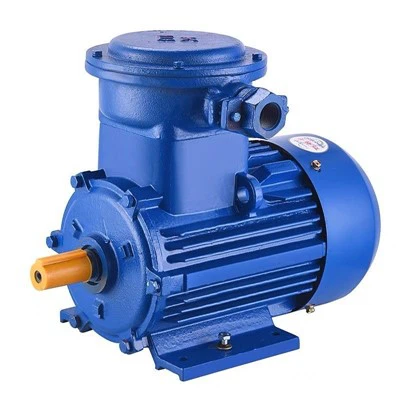
Understanding Parallel Pump Operation
Parallel pump operation involves connecting two or more pumps to a common discharge line to increase the flow rate while maintaining a relatively constant pressure. This configuration is often used when a single pump cannot meet the required flow rate or when redundancy is needed to ensure continuous operation.
When pumps are operated in parallel, each pump contributes to the total flow rate, and the total head is determined by the system curve and the pump characteristics. It is important to ensure that the pumps are properly selected and configured to operate efficiently and safely in parallel.
Key Considerations for Parallel Pump Operation
1. Pump Selection
The first step in operating multiple pipeline pumps in parallel is to select the right pumps for the application. Consider the following factors when selecting pumps:
- Flow Rate and Head Requirements: Determine the required flow rate and head for the application. Select pumps that can meet or exceed these requirements.
- Pump Characteristics: Choose pumps with similar performance curves to ensure that they operate efficiently in parallel. Pumps with different performance curves may cause uneven flow distribution and reduce overall efficiency.
- Material and Construction: Consider the material and construction of the pumps to ensure they are suitable for the application. For example, pumps used in corrosive environments may require special materials or coatings.
- Reliability and Maintenance: Select pumps from reputable manufacturers with a proven track record of reliability. Consider the ease of maintenance and availability of spare parts.
2. System Design
The system design plays a crucial role in the successful operation of parallel pumps. Consider the following factors when designing the system:
- Piping Layout: Design the piping layout to minimize pressure losses and ensure even flow distribution. Use large-diameter pipes and minimize the number of bends and fittings.
- Valve Selection and Placement: Install appropriate valves to control the flow rate and pressure in the system. Use check valves to prevent backflow and ensure proper pump operation.
- Pressure Relief: Install pressure relief valves to protect the pumps and the system from overpressure. Set the relief valves at a safe pressure level.
- Control System: Implement a control system to monitor and adjust the operation of the pumps. Use sensors and controllers to maintain the desired flow rate and pressure.
3. Pump Installation
Proper installation of the pumps is essential for their efficient and safe operation. Follow these guidelines when installing parallel pumps:
- Level and Alignment: Ensure that the pumps are installed on a level surface and properly aligned. Misalignment can cause excessive vibration and premature wear of the pump components.
- Foundation and Mounting: Provide a solid foundation for the pumps to support their weight and prevent vibration. Use appropriate mounting hardware to secure the pumps to the foundation.
- Piping Connections: Make sure the piping connections are tight and leak-free. Use proper gaskets and fittings to ensure a secure connection.
- Electrical Connections: Follow the electrical installation instructions provided by the pump manufacturer. Ensure that the electrical connections are properly grounded and protected.
4. Pump Operation and Monitoring
Once the pumps are installed, it is important to operate and monitor them properly to ensure their efficient and safe operation. Follow these guidelines when operating parallel pumps:
- Startup and Shutdown Procedures: Follow the startup and shutdown procedures provided by the pump manufacturer. Start the pumps in sequence to avoid overloading the system.
- Flow and Pressure Monitoring: Monitor the flow rate and pressure in the system using appropriate sensors and gauges. Adjust the pump operation as needed to maintain the desired flow rate and pressure.
- Temperature and Vibration Monitoring: Monitor the temperature and vibration of the pumps to detect any potential problems. High temperature or excessive vibration may indicate a mechanical problem or improper operation.
- Maintenance and Inspection: Perform regular maintenance and inspection of the pumps to ensure their proper operation. Replace worn or damaged parts as needed.
Best Practices for Parallel Pump Operation
1. Use a Pump Control System
A pump control system can help optimize the operation of parallel pumps by adjusting the pump speed and flow rate based on the system demand. This can improve energy efficiency and reduce operating costs.
2. Implement a Pump Sequencing Strategy
A pump sequencing strategy can help ensure that the pumps are operated in an efficient and balanced manner. This can involve starting and stopping the pumps in a specific order based on the system demand.
3. Monitor and Analyze Pump Performance
Regularly monitor and analyze the performance of the pumps to identify any potential problems or opportunities for improvement. Use data logging and analysis tools to track pump performance over time.
4. Train Operators and Maintenance Personnel

Provide training to operators and maintenance personnel on the proper operation and maintenance of the pumps. This can help ensure that the pumps are operated safely and efficiently.
Conclusion
YE3 Three-Phase Motor Operating multiple pipeline pumps in parallel can be a complex and challenging task, but with the right approach and proper planning, it can be done successfully. As a pipeline pump supplier, I am committed to providing my customers with the highest quality pumps and support to ensure their success. If you are interested in learning more about parallel pump operation or need assistance with pump selection and system design, please contact me to discuss your specific requirements.
References
- Hydraulic Institute Standards for Centrifugal Pumps
- Pump Handbook, by Igor J. Karassik et al.
- ASME Boiler and Pressure Vessel Code
- API Standards for Pumps in the Petroleum, Chemical, and Gas Industry
Taizhou Goodpump Trading Co., Ltd.
We’re well-known as one of the most professional pipeline pump enterprises in China, featured by quality products and good service. Please rest assured to buy discount pipeline pump in stock here from our factory. For quotation, contact us now.
Address: No. 38, District 6, Zhengye Village, Lunan Street, Luqiao District, Taizhou City, Zhejiang Province, China
E-mail: 19548175755@163.com
WebSite: https://www.goodpump-cn.com/
