Yo, what’s up! I’m a supplier in the conveying equipment game, and I know firsthand how crucial it is for buyers to figure out if a supplier’s the real deal or just blowing hot air. So, I thought I’d share some tips from my side of the fence on how you can evaluate the reliability of a conveying equipment supplier. Conveying Equipment
###Track Record and Reputation
Let’s start with the easiest way to suss out a supplier: look at their track record. You know, the old "actions speak louder than words" thing. A supplier with a solid history of delivering quality equipment over the years is more likely to be reliable. You can check out industry forums, review sites, and even ask for references directly from the supplier.
I mean, think about it. If a supplier has been around for a long time, say 10, 20 years, they’ve probably dealt with all sorts of challenges. They’ve learned from their mistakes and have refined their processes. That’s gold in terms of reliability. A newbie might be full of energy and new ideas, but they lack that real – world experience.
Another thing to look at is their reputation in the industry. Are they known for cutting corners or for going the extra mile? You can talk to other businesses in your field who’ve used their equipment. Word – of – mouth is still one of the most powerful ways to gauge a supplier’s reliability. If everyone’s raving about a supplier, chances are they’re doing something right.
###Product Quality
The quality of the conveying equipment is, of course, a huge factor. You don’t want to end up with something that breaks down after a few months of use. A reliable supplier will use high – quality materials and have strict manufacturing standards.
When you’re evaluating a supplier, ask about the materials they use. For example, if it’s a conveyor belt, what kind of rubber or fabric is it made of? Is it resistant to wear and tear, chemicals, or extreme temperatures? A good supplier will be able to give you detailed information about the materials and why they’re chosen.
Also, look at the manufacturing process. Do they have quality control checks at every stage? Are their factories up – to – date with the latest technology? In my own experience, investing in the latest manufacturing equipment can really improve the quality of the final product.
You can also ask for product samples or visit the supplier’s factory if possible. Seeing the equipment in person gives you a much better idea of its quality. You can check for things like smooth operation, proper alignment, and overall build quality.
###Technical Support and After – Sales Service
Let’s face it, no matter how good the equipment is, there might be issues down the line. That’s where a reliable supplier’s technical support and after – sales service come in.
A good supplier will have a team of experts who can answer your questions quickly. Whether it’s a simple installation query or a complex troubleshooting issue, they should be there for you. You can test their responsiveness by sending them a few questions before you make a purchase. How long do they take to get back to you? Do they give clear and useful answers?
After – sales service is also super important. If something goes wrong with the equipment, will they come and fix it? Do they offer warranties? A reliable supplier will stand behind their product and make sure you’re satisfied. In my business, I always make it a point to have a 24/7 support line so that my customers know they can reach me at any time.
###Customization Capabilities
Every business has its own unique needs when it comes to conveying equipment. A reliable supplier should be able to offer customization options.
If you have a specific layout in your factory or a particular type of product to convey, the supplier should be able to design and build equipment that meets your requirements. This shows that they’re flexible and willing to work with you to find the best solution.
When you’re talking to a supplier, ask about their customization process. How long does it take? What’s the cost involved? A good supplier will work with you to create a realistic plan that fits your budget and timeline.
###Compliance and Certifications
In the conveying equipment industry, there are a lot of regulations and standards that suppliers need to comply with. A reliable supplier will have all the necessary certifications.
For example, in some countries, there are safety standards for conveyor belts to prevent accidents. Make sure the supplier’s equipment meets these standards. You can ask to see their certification documents, and if they’re hesitant to provide them, that’s a red flag.
Certifications also show that the supplier is committed to quality and safety. It’s like a stamp of approval from an independent organization.
###Pricing and Payment Terms
Price is always a factor when you’re buying equipment. However, the cheapest option isn’t always the best. A reliable supplier will offer a fair price for the quality of the equipment.
Compare prices from different suppliers, but don’t just look at the upfront cost. Consider the long – term costs, such as maintenance, repairs, and energy consumption. A high – quality piece of equipment might cost more initially, but it could save you money in the long run.
Also, look at the payment terms. Are they flexible? Do they offer financing options? Some suppliers might require a large upfront payment, while others might be more willing to work out a payment schedule that suits your business.
###Supply Chain Management
The supplier’s supply chain management can also impact their reliability. A well – managed supply chain means they can get the materials they need to build your equipment on time.
If a supplier is constantly running into supply shortages, it could lead to delays in delivering your equipment. You can ask them about their inventory management system and how they handle potential supply chain disruptions. For example, do they have multiple suppliers for critical components?
By looking into their supply chain management, you can get an idea of how likely they are to meet your delivery deadlines.
###Communication and Transparency
Good communication is key in any business relationship. A reliable supplier will keep you informed throughout the process, from the initial quote to the final delivery.
They should be transparent about any potential issues or delays. If there’s a problem with the manufacturing process or a delay in getting materials, they should let you know as soon as possible. This shows that they respect your time and are committed to keeping their promises.
In my experience, clear and regular communication can prevent a lot of misunderstandings and headaches down the line.
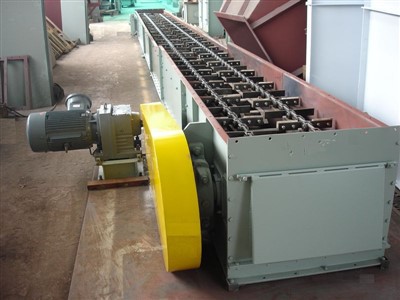
So, there you have it! These are some of the key things you can look at when evaluating the reliability of a conveying equipment supplier. If you’re in the market for some top – notch conveying equipment and you want to talk to someone who’s got the experience and commitment to reliability, I’d love to have a chat. Whether you’ve got questions about our products, customizations, or anything else, just reach out. We’re here to make sure you get the best equipment for your business.
Conveying Equipment References:
- Industry best practices and personal experience in the conveying equipment supply business.
- Discussions with industry experts and other equipment suppliers.
- Insights gained from customer feedback and market research.
Henan Oumu Intelligent Storage Equipment Co., Ltd.
As one of the most professional conveying equipment manufacturers and suppliers in China, we’re featured by quality products and good service. Please rest assured to buy customized conveying equipment made in China here from our factory. For quotation, contact us now.
Address: No. 681, Xinzhong Avenue, Hongqi District, Xinxiang City, Henan Province
E-mail: luna@oumu-silo.com
WebSite: https://www.oumu-silo.com/
