As a provider of 4G and Analog Radio solutions, I’ve witnessed firsthand the transformative power of technology in the realm of wireless communication. One of the most frequently debated topics in the industry is the signal clarity of 4G compared to Analog Radio. In this blog post, I’ll delve into the technical details, real-world implications, and practical considerations to help you understand the differences and make informed decisions for your communication needs. 4g and Analog Radio

Understanding Signal Clarity
Signal clarity is a crucial aspect of any communication system, as it directly impacts the quality and reliability of the transmitted information. In the context of wireless communication, signal clarity refers to the ability of a signal to accurately convey data without distortion, interference, or loss. High signal clarity ensures that voices are understandable, images are sharp, and data is transmitted correctly, even in challenging environments.
Analog Radio: The Traditional Choice
Analog radio has been a staple in communication for over a century, offering a simple and reliable way to transmit voice and data over long distances. In an analog radio system, the audio signal is converted into a continuous electrical waveform that is transmitted over the airwaves. The receiver then converts the waveform back into an audio signal, allowing the listener to hear the message.
One of the key advantages of analog radio is its simplicity. The technology is well-established and relatively easy to implement, making it a cost-effective solution for many applications. Additionally, analog radio signals have a wide coverage area and can penetrate buildings and other obstacles more effectively than digital signals.
However, analog radio also has several limitations when it comes to signal clarity. The continuous nature of the analog waveform makes it susceptible to interference from other radio signals, electrical noise, and environmental factors such as weather conditions. This can result in static, distortion, and reduced audio quality, especially in areas with high levels of electromagnetic interference.
4G: The Digital Revolution
4G, or Fourth Generation, is a wireless communication standard that uses digital technology to transmit data over the airwaves. In a 4G system, the audio, video, and data signals are converted into binary code, which is then transmitted in packets over a high-speed wireless network. The receiver then reassembles the packets and converts the binary code back into the original signal.
One of the main advantages of 4G is its superior signal clarity. Digital signals are less susceptible to interference and noise than analog signals, as they are represented by discrete values (0s and 1s) that can be easily distinguished from each other. This results in clearer audio, sharper images, and more reliable data transmission, even in areas with high levels of electromagnetic interference.
In addition to its signal clarity, 4G also offers several other benefits over analog radio. It provides faster data transfer speeds, allowing for real-time communication, video streaming, and other high-bandwidth applications. It also supports multiple users simultaneously, making it ideal for large-scale communication networks. Furthermore, 4G networks can be easily integrated with other digital technologies, such as smartphones, tablets, and computers, providing seamless connectivity across different devices.
Real-World Implications
The difference in signal clarity between 4G and Analog Radio has significant real-world implications for various industries and applications. For example, in the public safety sector, clear and reliable communication is essential for emergency response teams to coordinate their efforts and ensure the safety of the public. 4G technology provides the high-quality audio and data transmission needed for effective communication in critical situations, such as natural disasters, terrorist attacks, and other emergencies.
In the transportation industry, 4G is revolutionizing the way vehicles communicate with each other and with the infrastructure. With its high-speed data transfer capabilities, 4G enables real-time traffic updates, vehicle-to-vehicle communication, and remote diagnostics, improving safety, efficiency, and sustainability on the roads.
In the healthcare industry, 4G is enabling remote patient monitoring, telemedicine, and other healthcare applications that require high-quality video and audio communication. This allows healthcare providers to deliver better care to patients in remote areas, reduce the need for in-person visits, and improve the overall efficiency of the healthcare system.
Practical Considerations
While 4G offers many advantages over Analog Radio in terms of signal clarity and other features, there are also some practical considerations to keep in mind when choosing a communication system. One of the main factors to consider is the cost. 4G technology typically requires more expensive equipment and infrastructure than Analog Radio, which can make it a less cost-effective solution for some applications.
Another factor to consider is the availability of coverage. While 4G networks are expanding rapidly, there are still some areas where coverage may be limited or non-existent. In these areas, Analog Radio may be a more reliable option for communication.
Finally, it’s important to consider the specific requirements of your application. Some applications, such as voice communication, may not require the high-speed data transfer capabilities of 4G and may be better suited for Analog Radio. Other applications, such as video streaming and data-intensive applications, may require the superior signal clarity and bandwidth of 4G.
Conclusion
In conclusion, the signal clarity of 4G is significantly superior to that of Analog Radio, thanks to its digital technology and advanced signal processing algorithms. While Analog Radio still has its place in certain applications, 4G is rapidly becoming the preferred choice for many industries and applications that require high-quality, reliable communication.
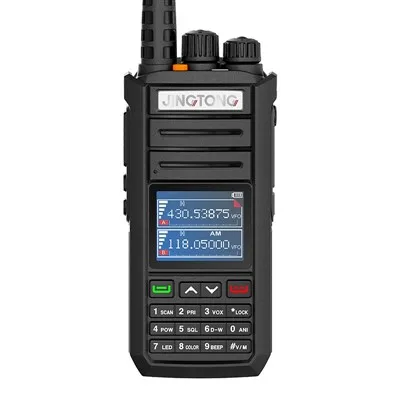
As a provider of 4G and Analog Radio solutions, we understand the unique needs and challenges of our customers. We offer a wide range of products and services that are designed to meet the specific requirements of different industries and applications. Whether you’re looking for a simple and cost-effective Analog Radio system or a high-performance 4G network, we have the expertise and experience to help you find the right solution.
3 Watt Walkie Talkie If you’re interested in learning more about our 4G and Analog Radio products and services, or if you have any questions or concerns, please don’t hesitate to contact us. Our team of experts is always available to provide you with the information and support you need to make informed decisions for your communication needs.
References
- Rappaport, T. S. (2011). Wireless communications: principles and practice. Prentice Hall.
- Goldsmith, A. (2005). Wireless communications. Cambridge University Press.
- Lee, W. C. Y. (2006). Mobile communications engineering: theory and applications. McGraw-Hill.
Jingtong (Quanzhou) Electronics Co., Ltd.
We are one of the most professional 4g and analog radio manufacturers and suppliers in China, specialized in providing high quality customized service. We warmly welcome you to buy durable 4g and analog radio made in China here from our factory. For price consultation, contact us.
Address: No.288, Si Huang Industry Zone, Xia Mei Town, Nan An, Quanzhou, Fujian province, China 362302
E-mail: jtdjj@jtdjj.com
WebSite: https://www.jteradio.com/
