As a provider of torsion springs, I often encounter inquiries from clients about the maximum number of cycles a torsion spring can endure. This is a crucial question, as it directly impacts the performance, durability, and suitability of the spring for various applications. In this blog post, I’ll delve into the factors that determine the cycle life of torsion springs, the methods to estimate it, and how we, as a torsion spring supplier, can help you optimize this critical aspect of your projects. Torsion Spring
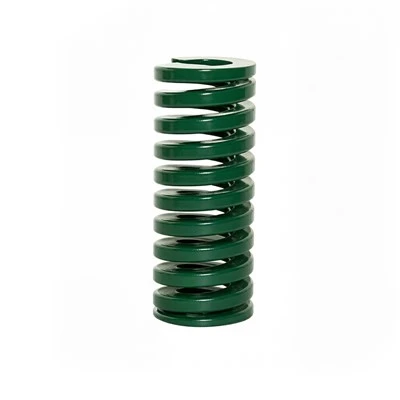
Understanding Torsion Springs and Their Cycle Life
A torsion spring is a type of spring that works by twisting. When a torsion spring is loaded, it stores mechanical energy through torsion or twisting action. As the load is removed, the spring returns to its original position, releasing the stored energy. The cycle life of a torsion spring refers to the number of times the spring can be loaded and unloaded before it fails or loses its ability to perform within the specified parameters.
Understanding the cycle life of a torsion spring is vital for several reasons. In applications where the spring is subjected to frequent use, such as in automotive engines, electronics, or industrial machinery, a spring with a low cycle life can lead to premature failure, resulting in costly downtime and repairs. On the other hand, over – specifying a spring with a much higher cycle life than necessary can increase costs without adding significant value.
Factors Affecting the Maximum Number of Cycles
Material Properties
The material of the torsion spring is one of the most significant factors influencing its cycle life. Different materials have varying degrees of strength, fatigue resistance, and elasticity. For example, hardened steel is a common choice for torsion springs due to its high strength and good fatigue resistance. Stainless steel, on the other hand, offers corrosion resistance in addition to reasonable strength, making it suitable for applications in harsh environments.
Alloy steels can provide even better performance in terms of fatigue life. They are often used in high – stress applications where the spring needs to endure a large number of cycles. The grain structure and the heat treatment of the material also play a crucial role. A well – heat – treated spring can have improved fatigue resistance compared to an untreated one.
Spring Design
The design parameters of the torsion spring, such as the wire diameter, coil diameter, number of coils, and the angle of deflection, have a significant impact on its cycle life. A larger wire diameter generally results in a stronger spring that can withstand more stress. However, increasing the wire diameter also increases the stiffness of the spring, which may not be suitable for all applications.
The coil diameter affects the stress distribution within the spring. A smaller coil diameter can lead to higher stress concentrations, reducing the cycle life. The number of coils influences the spring’s flexibility and the amount of energy it can store. A spring with too few coils may be too stiff, while one with too many coils may be prone to buckling.
The angle of deflection is another critical factor. Springs that are deflected to a larger angle experience higher stresses, which can reduce their cycle life. Therefore, it is essential to design the spring with an appropriate angle of deflection based on the application requirements.
Operating Conditions
The environment in which the torsion spring operates can greatly affect its cycle life. Temperature is a significant factor. High temperatures can reduce the strength of the spring material, making it more susceptible to fatigue failure. In contrast, extremely low temperatures can make the material brittle, also leading to premature failure.
Humidity and corrosive substances can cause corrosion on the spring surface. Corrosion not only weakens the material but also creates stress concentrations, which can accelerate fatigue failure. Vibration and shock can also impact the spring’s cycle life. Excessive vibration can cause the spring to experience additional stresses, leading to a shorter life.
Estimating the Maximum Number of Cycles
Estimating the maximum number of cycles a torsion spring can endure is a complex task that requires a combination of theoretical calculations and practical testing.
Theoretical Calculations
Engineers use various formulas and models to calculate the stress levels within the spring based on its design parameters and the applied load. One commonly used formula is the torsion stress formula, which relates the stress in the spring wire to the applied torque, wire diameter, and coil diameter. By comparing the calculated stress levels with the fatigue strength of the spring material, an initial estimate of the cycle life can be made.
However, theoretical calculations have limitations. They often assume ideal conditions and do not account for all the real – world factors that can affect the spring’s performance, such as material imperfections, manufacturing variations, and operating environment.
Practical Testing
To obtain a more accurate estimate of the cycle life, practical testing is essential. This involves subjecting the spring to a controlled number of loading and unloading cycles under conditions that simulate the actual operating environment. As a torsion spring supplier, we conduct such tests in our in – house testing facilities.
We use specialized test equipment to apply the appropriate load and measure the spring’s performance over time. During the testing, we monitor parameters such as the spring’s deflection, load capacity, and any signs of fatigue, such as cracks or permanent deformation. Based on the test results, we can determine the maximum number of cycles the spring can endure before it fails or exhibits unacceptable performance degradation.
How Our Company Helps Clients Optimize Cycle Life
As a torsion spring supplier, we are committed to helping our clients choose the right springs for their applications and optimize the spring’s cycle life.
Material Selection
We work closely with our clients to understand the specific requirements of their applications, including the operating environment, load conditions, and expected cycle life. Based on this information, we recommend the most suitable spring material. For example, if the application requires a high – cycle – life spring in a corrosive environment, we may recommend a corrosion – resistant alloy steel.
Design Optimization
Our experienced engineering team can assist in optimizing the spring design to maximize its cycle life. We use advanced design software to analyze the stress distribution within the spring and make adjustments to the design parameters, such as the wire diameter, coil diameter, and number of coils. By reducing stress concentrations and ensuring a more uniform stress distribution, we can extend the spring’s cycle life.
Quality Control
We have a strict quality control system in place to ensure that every torsion spring we produce meets the highest standards. From the raw material inspection to the final product testing, we monitor every step of the manufacturing process. This helps to minimize material defects and manufacturing variations that could reduce the spring’s cycle life.
Conclusion

In conclusion, the maximum number of cycles a torsion spring can endure is influenced by a variety of factors, including material properties, spring design, and operating conditions. As a torsion spring supplier, we understand the importance of cycle life in ensuring the reliability and performance of your applications. By providing high – quality materials, optimized designs, and rigorous quality control, we can help you obtain torsion springs that meet your specific cycle life requirements.
Leaf Spring If you have any questions about torsion springs or need assistance in selecting the right spring for your application, please feel free to contact us. Our team of experts is ready to work with you to find the best solution for your project.
References
- "Mechanical Springs Handbook" by Design News
- "Spring Design and Application" by Carl H. Wahl
- "Fatigue of Metals" by John F. Knott
Shengzhou Deyuxiang Hardware Accessories Co., Ltd.
We are one of the most professional torsion spring manufacturers and suppliers in China, also support customized service. With abundant experience, we warmly welcome you to buy high quality torsion spring made in China here and get pricelist from our factory. For price consultation, contact us.
Address: No. 38, Caosheng Road, Caoqiao Street, Pinghu City, Jiaxing City, Zhejiang Province
E-mail: 877286126@qq.com
WebSite: https://www.dyx-spring.com/
