Electrical industrial kilns are essential equipment in various industrial sectors, offering precise temperature control and energy – efficient solutions. As a supplier of electric industrial kilns, I have witnessed firsthand the diverse range of kilns available in the market, each tailored to specific applications and requirements. In this blog post, I will delve into the different types of electric industrial kilns, their features, and their industrial applications. Electric Industrial Kiln
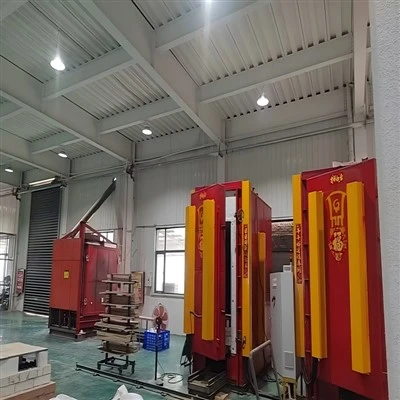
1. Box – Type Electric Kilns
Box – type electric kilns, also known as chamber kilns, are one of the most common types of industrial kilns. They feature a simple and straightforward design, typically consisting of a rectangular or cubic chamber with heating elements installed on the walls, floor, or ceiling.
Features
- High – Temperature Stability: These kilns can achieve and maintain high temperatures with excellent stability, making them suitable for processes that require precise temperature control. The insulation materials used in the construction of box – type kilns help to minimize heat loss, ensuring energy efficiency.
- Uniform Heating: The heating elements are arranged in a way that provides uniform heating throughout the chamber. This is crucial for applications such as heat treatment, where consistent temperature distribution is necessary to achieve the desired material properties.
- Customizable Sizes: Box – type kilns can be customized to different sizes based on the user’s requirements. Whether you need a small laboratory – scale kiln or a large industrial – grade kiln, it can be designed and manufactured to meet your specific needs.
Industrial Applications
- Metallurgy: In the metallurgical industry, box – type electric kilns are used for annealing, tempering, and hardening of metals. These processes help to improve the mechanical properties of metals, such as strength, hardness, and ductility.
- Ceramics: Ceramic manufacturers use box – type kilns for firing ceramic products. The controlled heating and cooling cycles in these kilns are essential for producing high – quality ceramics with the desired color, density, and strength.
- Glass Manufacturing: Glassware production often involves the use of box – type electric kilns for processes like annealing, which relieves internal stresses in the glass and improves its durability.
2. Tunnel – Type Electric Kilns
Tunnel – type electric kilns are continuous – process kilns that are designed for high – volume production. They consist of a long, tunnel – shaped chamber through which the products to be processed are conveyed.
Features
- Continuous Operation: One of the main advantages of tunnel – type electric kilns is their ability to operate continuously. This allows for a high throughput of products, making them suitable for large – scale industrial production.
- Zoned Heating: The tunnel is divided into different zones, each with its own temperature control. This enables precise control of the heating and cooling processes as the products move through the kiln. For example, the pre – heating zone, firing zone, and cooling zone can be set to different temperatures according to the specific requirements of the process.
- Energy Efficiency: The continuous operation of tunnel – type kilns results in better energy utilization. The heat from the hot products leaving the kiln can be recovered and used to pre – heat the incoming products, reducing energy consumption.
Industrial Applications
- Brick and Tile Manufacturing: In the brick and tile industry, tunnel – type electric kilns are used for firing large quantities of bricks and tiles. The continuous operation ensures a constant production rate, and the zoned heating allows for the proper maturation of the products.
- Refractory Material Production: Refractory materials, which are used in high – temperature applications such as furnaces and kilns, are often produced using tunnel – type electric kilns. The controlled temperature profile in these kilns is necessary for developing the desired properties of the refractory materials.
- Food Processing: Although less common, tunnel – type electric kilns can also be used in the food processing industry for processes like baking and drying. The continuous operation enables large – scale production of baked goods and dehydrated food products.
3. Muffle Furnaces
Muffle furnaces are a type of electric kiln where the heating elements are separated from the sample chamber by a refractory lining, known as a muffle.
Features
- Contamination – Free Environment: The muffle acts as a barrier between the heating elements and the sample, preventing any contaminants from the heating elements from coming into contact with the sample. This is particularly important in applications where purity is crucial, such as in the processing of semiconductors or precious metals.
- Precise Temperature Control: Muffle furnaces can achieve very precise temperature control, often with a high degree of accuracy. This makes them suitable for applications that require strict temperature regulation, such as in laboratory testing and research.
- Compact Design: Muffle furnaces are available in a variety of sizes, but they generally have a relatively compact design. This makes them suitable for use in laboratories and small – scale industrial settings where space is limited.
Industrial Applications
- Laboratory Testing: In laboratories, muffle furnaces are used for a wide range of applications, including ashing, calcination, and sintering of samples. The ability to control the temperature precisely allows for accurate and reproducible results.
- Jewelry Making: Jewelry makers use muffle furnaces for melting and casting precious metals. The contamination – free environment ensures that the quality of the final jewelry products is not compromised.
- Semiconductor Manufacturing: In the semiconductor industry, muffle furnaces are used for processes such as annealing and diffusing. These processes are critical for the production of high – performance semiconductor devices.
4. Vacuum Electric Kilns
Vacuum electric kilns are designed to operate in a low – pressure or vacuum environment. This type of kiln is ideal for applications where the presence of air or other gases can have a negative impact on the process.
Features
- Reduced Oxidation: By removing oxygen and other reactive gases from the chamber, vacuum electric kilns significantly reduce the risk of oxidation of the materials being processed. This is particularly important for metals and other materials that are prone to oxidation at high temperatures.
- Enhanced Sintering: Vacuum conditions can improve the sintering process by removing impurities and promoting better particle bonding. This results in denser and more homogeneous materials with improved mechanical properties.
- Precise Atmosphere Control: In addition to vacuum operation, some vacuum electric kilns can also introduce specific gases into the chamber, allowing for precise control of the atmosphere during the process. This is useful for applications such as carburizing or nitriding.
Industrial Applications
- Aerospace and Defense: In the aerospace and defense industries, vacuum electric kilns are used for processing high – performance materials such as titanium alloys and superalloys. These materials require a controlled environment to achieve the desired properties for use in aircraft engines and other critical components.
- Advanced Ceramics: Vacuum firing is often used in the production of advanced ceramics, such as zirconia and alumina. The vacuum environment helps to eliminate pores and improve the density and mechanical strength of the ceramics.
- Medical Device Manufacturing: Some medical devices, such as implants and surgical instruments, are made from materials that require a vacuum – firing process to ensure their biocompatibility and mechanical integrity.
5. Rotary Electric Kilns
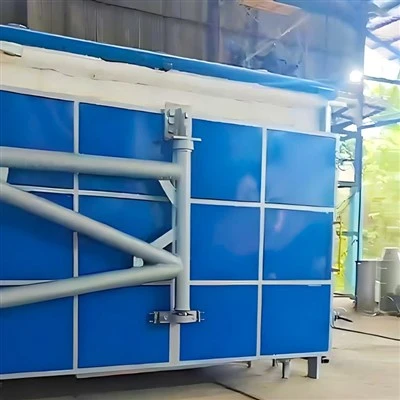
Rotary electric kilns consist of a rotating cylindrical chamber that is heated electrically. The rotation of the chamber helps to ensure uniform heating and mixing of the materials inside.
Features
- Efficient Mixing: The rotating action of the kiln chamber provides excellent mixing of the materials, which is beneficial for processes such as calcination and chemical reactions. This helps to ensure that the reactions occur uniformly and that the final products have consistent properties.
- Continuous Feed and Discharge: Rotary electric kilns can be designed for continuous feed and discharge of materials. This allows for a high – volume production process, making them suitable for large – scale industrial applications.
- Versatile Heating Zones: Similar to tunnel – type kilns, rotary electric kilns can have multiple heating zones along the length of the chamber. This enables precise control of the temperature profile during the process.
Industrial Applications
- Cement Manufacturing: In the cement industry, rotary electric kilns are used for the clinkerization process, where limestone and other raw materials are heated to high temperatures to form cement clinker. The continuous operation and efficient mixing of the kiln help to ensure a high – quality and consistent cement product.
- Recycling: Rotary electric kilns can be used in the recycling industry for the pyrolysis of waste materials, such as plastics and tires. The high – temperature and rotating action of the kiln help to break down the waste materials into valuable products, such as fuel and char.
- Mineral Processing: In the mineral processing industry, rotary electric kilns are used for processes like roasting and calcination of minerals. The uniform heating and mixing provided by the kiln help to improve the extraction efficiency of valuable metals from the minerals.
Conclusion
Brick Tunnel Kiln As an electric industrial kiln supplier, I understand that choosing the right type of kiln is crucial for the success of any industrial process. Each type of electric industrial kiln has its own unique features and applications, and it is important to consider factors such as temperature requirements, production volume, material properties, and contamination control when selecting a kiln. If you are in need of an electric industrial kiln for your specific application, I invite you to contact me for further discussion and consultation. I am committed to providing high – quality kilns and professional solutions to meet your industrial needs. Let’s work together to achieve your production goals.
References
- Smith, J. (2018). Handbook of Industrial Kilns and Furnaces. CRC Press.
- Brown, A. (2019). Electric Kiln Technology and Applications. Elsevier.
- Johnson, R. (2020). Advances in High – Temperature Furnace Design. Wiley – VCH.
Henan Yaxin Kiln Co., Ltd.
Henan Yaxin Kiln Co., Ltd. is one of the most professional electric industrial kiln manufacturers and suppliers in China. With abundant experience, we warmly welcome you to buy high quality electric industrial kiln with the latest design from our factory. Good service and punctual delivery are available.
Address: Jixian Industrial Zone, Shangqiu City, Henan Province
E-mail: 1543563178@qq.com
WebSite: https://www.hnyxkiln.com/
