Hey there! I’m in the all-terrain tracked vehicle (ATTV) game as a supplier, and today I wanna take you through how the control system of these bad boys works. It’s a pretty cool topic, and understanding it can help you see just how amazing these machines are. All-Terrain Tracked Vehicle

Let’s start with the basics. An all – terrain tracked vehicle’s control system is like the brain and nervous system of the vehicle. It’s responsible for making sure everything from steering to speed control works smoothly, whether you’re cruising over a muddy field or climbing a rocky slope.
The Heart of the System: The Electronic Control Unit (ECU)
The ECU is the central hub of the control system. Think of it as the brain of the ATTV. It’s a powerful computer that continuously monitors and manages various functions of the vehicle. For example, it keeps an eye on the engine’s performance, like the temperature, fuel injection, and ignition timing. If the engine starts to overheat, the ECU can adjust the cooling system to bring the temperature down. It also works closely with the transmission, deciding the right gear to shift into based on the vehicle’s speed, load, and the terrain it’s on.
The ECU uses sensors placed all over the vehicle to gather data. These sensors are like the vehicle’s senses. They can detect things like wheel speed, engine RPM (revolutions per minute), throttle position, and even the angle of the vehicle’s body. All this data is sent to the ECU, which then processes it and sends out commands to different parts of the vehicle.
Steering Control
Steering an ATTV is a bit different from driving a regular car. Instead of using a steering wheel to turn the wheels, ATTVs use a system that controls the speed of the tracks on each side of the vehicle. When you want to turn left, the control system slows down the left – hand track and speeds up the right – hand track. This difference in speed causes the vehicle to pivot to the left.
There are two main types of steering systems in ATTVs: hydrostatic and mechanical. Hydrostatic steering systems use hydraulic fluid to transfer power from the engine to the tracks. They’re known for their smooth and precise control, making them a popular choice for more advanced ATTVs. Mechanical steering systems, on the other hand, use gears and linkages to control the track speed. They’re generally simpler and more reliable, but they might not offer the same level of precision as hydrostatic systems.
Speed and Acceleration Control
Controlling the speed of an ATTV is also a crucial part of the control system. In most modern ATTVs, there’s an accelerator pedal, just like in a car. When you press the accelerator, the control system sends a signal to the engine to increase the fuel injection and the engine speed. This, in turn, makes the tracks move faster.
However, since ATTVs are designed to operate in different terrains, the control system also has to account for things like traction. If the vehicle is on a slippery surface, pressing the accelerator too hard could cause the tracks to spin without moving the vehicle forward. To prevent this, the control system can adjust the power delivery to the tracks based on the traction sensors’ readings. It might reduce the power to the tracks if it detects a loss of traction, and then gradually increase it as the traction improves.
Braking System
The braking system of an ATTV is another important part of the control system. There are usually two types of brakes: service brakes and parking brakes. The service brakes are used to slow down or stop the vehicle while it’s moving. When you press the brake pedal, the control system activates the brakes on the tracks. This is usually done using hydraulic or pneumatic pressure.
The parking brakes are used to keep the vehicle stationary when it’s parked. They work independently of the service brakes and are designed to hold the vehicle in place even on steep slopes. The control system ensures that the parking brakes are properly engaged and released when needed.
Terrain Adaptation
One of the things that make ATTVs so special is their ability to adapt to different terrains. The control system plays a big role in this. When the vehicle enters a different terrain, like sand or snow, the control system can adjust various settings to optimize performance.
For example, in sandy terrain, the control system might increase the track’s contact area with the ground to prevent the vehicle from sinking. It can do this by adjusting the suspension or the track tension. In snow, the control system might change the power delivery to the tracks to provide better traction. It could also adjust the steering system to make it easier to maneuver in the slippery conditions.
Safety Features in the Control System
Safety is always a top priority when it comes to ATTVs, and the control system has several safety features built – in. One of these features is the anti – lock braking system (ABS). Just like in a car, the ABS prevents the tracks from locking up during braking. This helps the driver maintain control of the vehicle and reduces the risk of skidding.
Another safety feature is the stability control system. It uses sensors to detect if the vehicle is starting to roll or lose stability. If this happens, the control system can automatically apply the brakes on individual tracks or adjust the engine power to keep the vehicle stable.
Communication and Monitoring
Modern ATTVs are also equipped with communication and monitoring systems. The control system can send data about the vehicle’s performance to a dashboard or a remote monitoring device. This allows the driver or the operator to keep an eye on things like engine temperature, fuel level, and tire pressure (if the vehicle has tires in addition to tracks).
In case of a problem, the control system can also generate error codes. These codes can be used by technicians to quickly diagnose and fix the issue. This helps to reduce downtime and keep the vehicle running smoothly.
Why Our ATTVs’ Control Systems Shine
As a supplier, I’m super proud of the control systems in our ATTVs. We’ve invested a lot of time and effort into making them reliable, efficient, and easy to use. Our control systems are designed to handle a wide range of terrains and operating conditions. Whether you’re using the ATTV for military operations, forestry work, or just for some off – road fun, our control system will ensure a smooth and safe ride.
We also offer continuous support and software updates for our control systems. This means that as technology advances, your ATTV can keep up. We’re always looking for ways to improve the performance and functionality of our control systems, and our customers can benefit from these improvements over time.
If you’re in the market for an all – terrain tracked vehicle, you should definitely consider our products. Our control systems are just one of the many reasons why our ATTVs stand out from the competition.
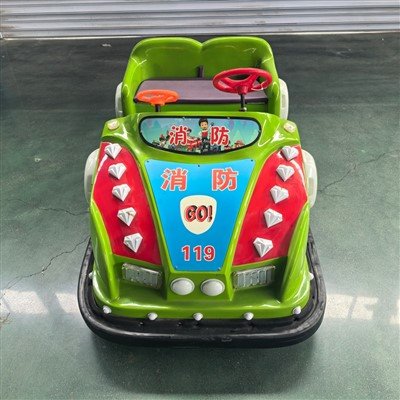
Bumper Cars So, if you’re interested in learning more about our all – terrain tracked vehicles or want to talk about a potential purchase, don’t hesitate to reach out. Drop us a line to start a conversation about how we can meet your needs.
References
- Automotive Engineering Handbook: Covers general knowledge about vehicle control systems.
- Journal of Off – Road Vehicle Technology: Provides valuable insights on the unique requirements of ATTV control systems.
- Military Vehicle Technical Manuals: Offers information on the specialized control systems used in military – grade ATTVs.
Shandong Feiteng Intelligent Technology Co., Ltd.
As one of the most professional all-terrain tracked vehicle manufacturers and suppliers in China, we’re featured by quality products and good price. Please rest assured to buy discount all-terrain tracked vehicle in stock here from our factory. If you have any enquiry about cooperation, please feel free to email us.
Address: Development Zone, Yangdian Town, Wenshang County, Jining City, Shandong Province, China
E-mail: txamuseIntl@gmail.com
WebSite: https://www.tongxingplay.com/
