Hey there! As a backer board supplier, I get asked a lot about what the flexural strength of backer board is. It’s a crucial question, especially for folks diving into construction or renovation projects. So, let’s break it down in a way that’s easy to understand. Backer Board

First things first, what’s flexural strength? Flexural strength, in simple terms, is a material’s ability to resist bending. When you’ve got a backer board installed, it might face various forces that could cause it to bend. For example, if you’re putting heavy countertops on top of a backer – board – backed cabinet or if there’s some movement in the floor beneath a backer board on a wall, it needs to hold up.
Now, why does the flexural strength of a backer board matter? Well, if a backer board has low flexural strength, it can crack or break under pressure. This is a big no – no in construction. Cracks in the backer board can lead to problems with the finished surface. If you’re tiling over a backer board with low flexural strength, the tiles can crack too when the backer board gives in. And that means more maintenance, more costs, and a less – than – perfect look for the project.
So, what affects the flexural strength of a backer board? There are several factors. The materials used in making the backer board play a huge role. Most backer boards are made from a combination of Portland cement, silica, and other fiber materials. High – quality cement and well – chosen fibers can significantly increase the flexural strength. For instance, a backer board with a high – grade Portland cement base will generally be more resistant to bending compared to one with a lower – quality cement.
The thickness of the backer board also impacts its flexural strength. Generally speaking, thicker backer boards tend to have higher flexural strength. A 1/2 – inch thick backer board will be able to resist more bending forces than a 1/4 – inch one in most cases. However, it’s not just about thickness. The way the materials are blended and the manufacturing process also matter. A well – made 1/4 – inch backer board might outperform a poorly made 1/2 – inch one in terms of flexural strength.
Another factor is the density of the backer board. Denser backer boards often have better flexural strength. When the materials are packed more closely together, the board becomes more rigid and less likely to bend under stress. But there’s a trade – off. Denser boards can also be heavier, which might pose challenges during installation, especially for larger projects.
Let’s talk about how we measure the flexural strength of a backer board. Manufacturers usually conduct tests to determine this. They’ll apply a load to the backer board in a controlled environment and measure how much it can take before it starts to bend or break. The results are usually expressed in pounds per square inch (psi). A higher psi rating means the board has better flexural strength. Most good – quality backer boards on the market have a flexural strength rating of around 500 – 1000 psi, but this can vary depending on the type and brand.
As a backer board supplier, I can tell you that we’re always looking for ways to improve the flexural strength of our products. We invest in research and development to find the best combination of materials and manufacturing processes. We’re constantly testing different formulations to ensure that our backer boards can meet the demands of even the toughest construction projects.
For different applications, the required flexural strength can vary. In a residential bathroom, where the loads are relatively light, a backer board with a moderate flexural strength might be sufficient. But in a commercial kitchen, where there are heavy appliances and lots of foot traffic, you’ll need a backer board with a much higher flexural strength.
If you’re in the market for backer boards, it’s important to consider the flexural strength based on your project. Don’t just go for the cheapest option. Remember, a backer board with low flexural strength might end up costing you more in the long run due to repairs and replacements.
At our company, we take pride in offering backer boards with excellent flexural strength. Our products have been tested and proven to withstand a wide range of bending forces. We’ve got different thicknesses and types to suit various projects, whether it’s a small DIY bathroom renovation or a large – scale commercial construction job.
Just a note on installation. Even if you have a backer board with high flexural strength, improper installation can still lead to problems. Make sure you follow the manufacturer’s instructions carefully. Use the right adhesives, fasteners, and techniques. If the backer board isn’t installed correctly, it might not be able to perform up to its full flexural – strength potential.
In summary, the flexural strength of a backer board is a key factor in its performance. It affects the durability and longevity of your construction projects. By understanding what it is, what affects it, and how to choose the right board based on your needs, you can ensure that your project turns out great.
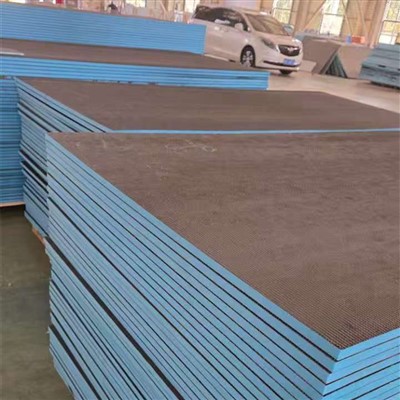
If you’re interested in learning more about our backer boards or are thinking about making a purchase, we’d love to talk to you. Feel free to reach out for a discussion about your project requirements and how our products can fit the bill. Whether you’re a contractor, a DIY enthusiast, or someone involved in large – scale construction, we’ve got the solutions for you.
Waterproof Backer Board References:
- Construction Materials Handbook: Covers general information about backer boards and their properties
- Industry research papers on building materials for data on flexural strength testing
Address: Zhongze Village, Baohai Town, Tiantai County, Taizhou City, Zhejiang Province
E-mail: 906915688@qq.com
WebSite: https://www.yhhold.com/
