Hey there, it’s Jake from [Your Company Name]—your go-to industrial scales supplier, and today we’re talking about something that’s way more important than most folks think: storing your heavy-duty scales when they’re not in use. I’ve seen so many of my customers drop the ball here, and it costs them big time—like having to replace a scale way sooner than they should, or getting wonky readings when they actually need them. Yeah, I get it—when your scale’s not in use, you’re probably juggling a million other things: meeting production deadlines, fixing that broken conveyor belt, dealing with supply chain delays. Storing scales might feel like an afterthought, but trust me, it’s the difference between a scale that lasts 10 years and one that craps out in 2. Let’s break this down like we’re chatting over a coffee (no stuffy jargon, promise). Industrial Scales
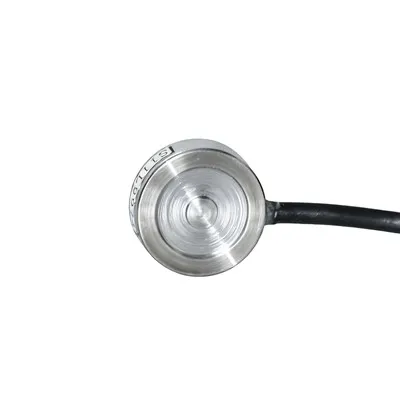
First off, before you even think about moving that scale to storage, you need to prep it properly. I’ve had a customer call me panicking last month saying their floor scale was ruined after a few months in storage—turns out they just left all the heavy pallets on it, unplugged it, and left the load cells hanging out. Dude, that’s like leaving your laptop on with a full bag of groceries on top and expecting it to work later. So step one: empty everything off the scale. No stray pallets, no loose parts, no random debris sitting on the platform. Even a small box of metal scraps can press down on the load cells and mess with their calibration, plus cause dents in the platform that you can’t see right away.
Next, you gotta clean it. I know, cleaning industrial gear is the last thing anyone wants to do, but it’s non-negotiable. Depending on what your scale’s used for—like food and beverage, manufacturing, construction—you’re probably dealing with all kinds of gunk: food residue, dust, grease, metal shavings, even corrosive chemicals. Those tiny particles don’t just sit there; they eat away at the scale’s frame, get into the load cells or digital displays, and cause all kinds of weird errors later. For example, if your scale is used in a meat processing plant, leftover fat can harden and clog the display’s buttons. If it’s used in a metal fab shop, dust and filings can get into the load cell’s connections and corrode them. So how do you clean it? For most standard industrial scales, a soft brush (like a stiff paintbrush, not a wire brush—those scratch things) to get rid of loose debris, then a mild detergent and water (avoid anything super acidic or abrasive, unless your scale is specifically rated for that—check the manual, I beg) to wipe down the platform, frame, and display. For load cells, if they’re exposed (some are covered, some aren’t), just a quick wipe with a dry cloth—don’t spray liquid directly on them, that’s a quick way to fry the electronics. Oh, and don’t forget the power cord! Wrap it up neatly, check for any frays, and if there are any, either fix them or replace the cord before storing. A frayed cord is a fire hazard waiting to happen, not to mention you’ll be stuck with a dead scale when you need it.
Once it’s clean and empty, you need to disconnect it properly. If it’s a digital scale, unplug it from the wall (or whatever power source you’re using—batteries too! Take out the batteries, trust me. I’ve seen batteries leak acid all over a scale’s circuit board that was in storage for 6 months. Total garbage now.). If it’s a hydraulic scale, drain the hydraulic lines? Wait, no—wait, most modern hydraulic industrial scales are sealed, but if yours is an older model with external lines, check the manual. Don’t just yank the cord or yank the lines—be gentle. Mark any connections if it’s a wireless scale or has custom wiring, so when you take it out of storage, you don’t spend 3 hours trying to figure out where everything plugs in. That’s another thing: if you have a digital display, remove it if it’s detachable. A lot of folks leave it mounted on the frame, but if you detach it, you can store it somewhere safer—less chance of it getting bumped or dusty. I recommend putting it in a hard case, not just a cardboard box. Cardboard gets moldy, gets eaten by rodents, gets crushed. A hard plastic or foam-lined case is worth every penny.
Now, the big one: where are you actually storing this thing? A lot of companies just shove it in the back of a warehouse, next to a leaky pipe, or in a spot where people might bump it with a forklift. That’s a terrible idea. Let’s talk about the ideal storage environment first. It needs to be dry—no moisture. Moisture is the enemy of electronics, plain and simple. Even if your scale is IP-rated (which most good industrial scales are), prolonged exposure to dampness can cause corrosion, mold, and make the load cells stop working. I had a customer in the construction industry who stored a crane scale in a semi-outdoor shed for a winter, and by spring, the hook and frame were so rusty the load cells wouldn’t register weight at all. Don’t make that mistake. Also, it needs to be temperature-stable. Extreme heat or extreme cold is bad. If your storage space gets below freezing, any moisture inside the scale can expand and crack parts. If it’s over 100 degrees, the batteries might leak, the plastic parts might warp, and the circuit boards can degrade faster. Aim for somewhere between 32°F and 100°F (0°C and 38°C) if you can. Also, keep it away from direct sunlight—UV rays can fade the labels on the scale, break down plastic, and mess with the display.
Then, there’s physical space. Your scale is heavy, right? A floor scale can be 1,000 lbs or more, a crane scale might be a few hundred, a bench scale is lighter but still not flimsy. So when you store it, make sure it’s on a flat, level surface. If it’s on an uneven floor, the frame can warp over time, and that throws off calibration when you take it out. Also, don’t stack anything on top of it. Even if it’s empty, putting a pallet of parts or a machine on top can bend the platform, damage the load cells, or crush the display. I’ve seen a customer stack three pallets of electronics on a 5,000 lbs capacity floor scale, and when we took it out of storage, it could only weigh up to 2,000 lbs max—permanently damaged. Don’t do that. Also, keep it somewhere it won’t get knocked around by forklifts, hand trucks, or even people walking by. If you don’t have a dedicated scale storage area, maybe put a few barriers around it, or lean it against a sturdy wall (but make sure it’s leaning at the right angle—don’t lean it flat back, that can damage the frame) and pad it with foam or old blankets so it doesn’t get scratched. Oh, and keep it elevated off the floor if you can—even if the floor is concrete, if there’s any chance of flooding or a leaky pipe, putting it on wooden pallets or metal stands keeps it dry.
Wait, what about different types of industrial scales? Because storing a floor scale is way different from storing a crane scale or a bench scale, right? Let’s break that down quick, since I sell all three. Floor scales are big, heavy, usually stationary but sometimes moved. For floor scales, after prep and cleaning, if you can, remove the feet or the levelers? No, wait, don’t do that unless you’re moving it long distances. If you’re just storing it for a few months, keep the levelers on, but make sure they’re all tightened evenly so the platform stays level. Also, if it’s a portable floor scale, maybe fold up the sides or the ramps if it has them, to save space. Crane scales are even trickier because they’re designed to hang. If you’re not using a crane scale for a while, don’t just leave it hanging from the crane hook—take it down, store it on a sturdy, flat surface, hang it from something else? No, wait, hanging it for long periods can stretch the hook, weaken the load cell, and throw off calibration. That’s a big one. I had a customer keep a 10,000 lbs crane scale hanging from their overhead crane for 8 months, and when they tested it, it was off by 150 lbs—total waste. So take crane scales down, store them horizontally on a pallet, with the hook not bearing weight (don’t let the hook sit under tension), and make sure the load cells aren’t pressed against anything. Bench scales are smaller, so you can store them on a shelf, but still, clean them, remove the display if detachable, wrap the cords, and keep them away from other tools that might scratch the platform.
Another thing: calibration. Wait, do you need to calibrate it before storage? No, not usually. But what about after storage? Oh, that’s a crucial step most people forget. I can’t tell you how many times a customer calls me saying “my scale is wrong out of the box (er, out of storage)” and it’s because they didn’t calibrate it after pulling it out. Even if you stored it perfectly, the tiny parts inside shift a little over time, or the calibration can drift slightly if it was in extreme temperatures. So when you take it out of storage, give yourself a little time to get it acclimated first—like 24 hours if it was stored in a super hot or cold space. Don’t just plug it in and start weighing things. Level it (again, if it’s a floor scale), then calibrate it with test weights that are accurate. You should always have test weights on hand anyway, but if you don’t, we sell affordable, certified ones—just sayin’. Also, do a quick test with a known weight, like a 50 lbs dumbbell or a 100 lbs pallet, to make sure it’s reading correctly before you use it for actual, important loads. That can save you from a lot of headaches, like shipping the wrong amount of product and losing money, or weighing raw materials incorrectly and messing up your production.
Wait, what if you’re storing it long-term, like more than 6 months? That’s a whole other ballgame. For short-term storage (less than 3 months), the steps I mentioned work fine. But for long-term, you gotta do a little more. Disconnect all the electronics completely, take out all batteries, clean every nook and cranny even more thoroughly—maybe use compressed air (on low pressure, so you don’t damage parts) to blow out dust from the load cells. Wrap the entire scale in a breathable plastic cover, not a tight plastic bag that traps moisture. Tighten all bolts and screws, because over time, they can loosen if parts expand or contract. And if possible, check on it every month—just go look, make sure there’s no moisture, no rodents chewing on cords, no rust starting to form. I once had a customer store a scale for a year and forgot to check on it, and a family of mice had nested inside the display, eating the circuit board. RIP that scale, cost them $2,000 to replace.
Also, common mistakes to avoid. Let’s list those, ‘cause I’ve seen all of them. Number one: leaving batteries in during storage. We already mentioned that, but it’s so important. Even rechargeable batteries will leak if left in a scale for months. Number two: not cleaning before storage. Gunk builds up and causes damage while it’s sitting. Number three: storing in a damp, hot, or cold place. Don’t store next to a loading dock door that leaks, don’t store in an unheated warehouse in the winter. Number four: stacking stuff on top, or hanging crane scales long-term. Number five: not calibrating after storage. That’s the biggest one that costs businesses money. I had a manufacturing client who used a floor scale to weigh metal parts for cars, and they stored it for 4 months, didn’t calibrate, and shipped 100 parts that were underweight by 20 lbs each. Ended up getting a $50,000 penalty from their client. That’s way more than any cost of storing the scale properly.
Look, I get it—industrial scales aren’t cheap. A good floor scale can run you a few grand, a crane scale even more. So why would you cut corners on storing it? When you work with us, we don’t just sell you a scale and disappear. We give you quick guides for storing it, and if you ever have questions, you can hit us up anytime. Whether you’re a small fabrication shop storing a portable bench scale, or a big logistics company with a fleet of floor and crane scales, we’ve got your back. If you’re looking to upgrade your scales, or just need some tips on how to keep the ones you have in top shape, reach out to our team for a no-pressure chat about your needs. We can even come out to your facility to take a look at how you’re storing your scales and give you personalized advice—no sales pitch, just real help from someone who’s been in this game for 15 years.

At the end of the day, storing your scales correctly is all about being proactive, not reactive. It’s way easier to spend an hour prepping and storing a scale right than to spend thousands replacing it early, or dealing with the hassle of incorrect weights down the line. I’ve seen too many businesses learn this the hard way, and I don’t want that for you. Take 20 minutes next time you’re putting your scale away to clean it, disconnect the batteries, find a dry, flat spot, and you’ll thank yourself when you pull it out next time and it works perfectly, no fuss, no extra costs. If you’re ready to get new scales, or need help with any storage tips for your current ones, just get in touch—we’re here to help.
Force Sensor References
- National Institute of Standards and Technology (NIST). Guidelines for the Care and Maintenance of Industrial Weighing and Measuring Devices, 2022.
- International Organization of Legal Metrology (OIML). Recommendations for Storage and Handling of Industrial Scales, 2021.
- Weighing Technology Association (WTA). Best Practices for Long-Term Storage of Electronic Industrial Equipment, 2023.
- End Users’ Industrial Equipment Maintenance Survey. Common Storage-Related Failures in Scales, 2022.
Yixing Silvanus Electric Manufacture Co., Ltd.
With abundant experience, we are one of the most professional industrial scales manufacturers and suppliers in China. We warmly welcome you to buy bulk advanced industrial scales in stock here and get pricelist from our factory. All customized products are with high quality and competitive price.
Address: No.30 Fukang Road, Xinjie Street, Wuxi, Jiangsu, China
E-mail: jacky@silvanus.cn
WebSite: https://www.kunsens.com/
