Hey there, if you’ve ever sifted through apparel fabrics looking for that perfect mix of comfort and durability, you’ve definitely crossed paths with cotton—maybe more times than you realize. As an apparel fabric supplier, I get a ton of questions from brands and designers asking why cotton still tops most people’s lists, even with all those “technical” synthetics hitting the market. Today, I’m breaking down what makes cotton apparel fabric tick—not just the basic stuff, but the real, usable characteristics that matter when you’re picking material for tees, hoodies, dresses, or whatever you’re making. Apparel Fabric
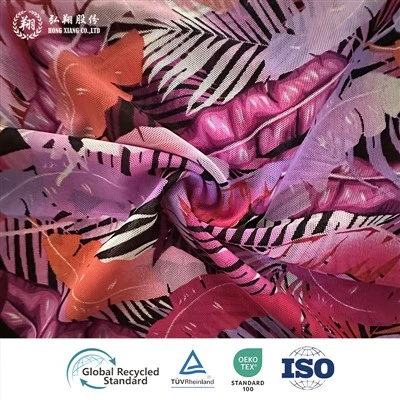
First off, let’s talk breathability—this is the big one that no synthetic can quite nail, at least not without some fancy, overpriced tech to mimic it. Cotton is a natural fiber (duh, it grows on cotton plants, mostly in warm climates like the US South, India, or parts of China) with tiny, porous spaces between its individual fibers. When you wear cotton, those pores let sweat vapor escape instead of trapping it against your skin. That’s why even on a hot day, a cotton tee doesn’t leave you feeling like you’re wrapped in a plastic bag. I can’t tell you how many times a designer has come to me saying their customers complain about “sticky” tees, and 9 out of 10 times, switching to a mid-weight cotton blend fixes that. Sure, polyester wicks surface sweat, but it doesn’t handle that vapor loss nearly as well—so you end up with damp fabric that still feels heavy. Cotton’s breathability is also why it’s a go-to for activewear for casual use, even if it’s not for intense workouts.
Next up, absorbency, which ties right into breathability but is a little different. Cotton can absorb up to 27 times its own weight in water before it feels saturated. That might sound like a downside at first—wait, don’t we hate soaking wet tees after a rainstorm or a workout?—but here’s the thing: that absorbency is what keeps you comfortable when it’s not extreme. For everyday wear, absorbing a little sweat means you don’t get that clammy, skin-sticking feeling synthetics give you. Of course, if it’s pouring rain, heavy cotton can get heavy and stay wet, which is why we sometimes mix it with a small percentage of elastane or polyester for outerwear or active pieces—nothing too much, though, because we don’t want to lose that soft, natural feel. I’ve seen too many suppliers cut corners here, adding more synthetics to drive down cost, but at the end of the day, our customers know they can count on cotton for that balance.
Softness is another defining characteristic, but it’s not one-size-fits-all. Wait, right—cotton isn’t just “soft”; its softness depends on how it’s processed, the fiber length, and even how it’s woven. Long-staple cotton (like Egyptian or Pima cotton) has longer, smoother fibers that don’t fray or poke as much, so when it’s spun into yarn, it feels way softer than short-staple cotton, which is cheaper but can be a little scratchy if it’s not pre-washed. That’s why you’ll see us label our goods as “ring-spun” or “combed” cotton—those processes comb out the short, rough fibers before spinning, leaving a yarn that’s smoother and softer right out of the packaging. A lot of people think cotton gets softer over time, which is true, but starting with a high-quality, processed cotton means it’ll stay soft for years, not just after 5 washes. I’ve had a brand tell me their customers still love their 2-year-old cotton tees because they’re way softer than the synthetic stuff they used before, and that’s exactly what we’re going for here.
Durability might surprise you, too—cotton is actually really strong when it’s wet. I know, it sounds counterintuitive, but natural cotton fibers gain about 10-15% more strength when they’re damp, which means a cotton shirt won’t tear as easily in the wash when it’s wet, or when you’re pulling it over your head after sweating. That’s a big win for everyday apparel that gets washed a lot. The catch? It can shrink if it’s not properly pre-treated. When cotton is first spun into yarn, the fibers have a lot of tension from the spinning process. If you don’t pre-wash or pre-shrink the fabric before cutting and sewing, the first time your customer washes it in hot water, that tension releases, and the shirt shrinks. That’s why at our shop, we always pre-shrink all our cotton apparel fabrics—so you don’t have to deal with that “my large tee is now a medium” complaint. We also offer different weights for durability: lightweight cotton for dresses, mid-weight for tees, heavyweight for hoodies and canvas. That way, you pick what works for your product, not just a one-size-fits-all.
Versatility is where cotton really shines, though. It works for every type of apparel you can think of—casual tees, formal shirts, cozy hoodies, summer dresses, even undergarments. Because it’s a natural fiber, it takes dye really well, which is why you can get those rich, true colors that don’t fade too fast (again, pre-treatment helps here). It also presses really nicely, so if you’re making button-downs, cotton holds creases better than most synthetics, but it’s also soft enough to be comfortable when you’re not wearing it pressed tight. We even work with brands to make custom blends—like a 95/5 cotton-elastane blend for leggings that need a little stretch, or an organic cotton for brands pushing sustainable products. Speaking of organic, that’s a big point a lot of customers ask about: organic cotton is just cotton grown without synthetic pesticides or fertilizers, so it’s better for the environment and for people who have sensitive skin, since there’s less residue left on the fabric. That’s a part of cotton’s characteristics that’s evolved a lot over the last 10 years, and we’ve got options for both regular and organic, depending on what your brand stands for.
Wait, let’s not forget about its hypoallergenic potential—sort of. Natural cotton doesn’t have the chemicals that some synthetic fabrics do, so it’s less likely to cause skin irritation for people with eczema or sensitive skin. That’s why pediatricians often recommend cotton for babies’ clothes, and a lot of our customers who make kids’ apparel come to us specifically for that reason. Of course, if the fabric is treated with harsh dyes or finishes, that can change, but if you stick to unbleached or low-impact dyed cotton, it’s a great option for sensitive skin. That’s a big selling point we bring up a lot with new brands, especially those targeting eco-conscious or family-focused markets.
Now, let’s be real—cotton isn’t perfect. It wrinkles easily, which is why people get frustrated with cotton dress shirts that look crumpled after an hour in a bag. That’s where blends come in, but if you want pure cotton, it’s just part of the charm—you can smooth it out, and the wrinkles give it a lived-in, casual feel that a wrinkle-resistant synthetic never can. It also takes longer to dry than synthetics, which might be a downside if you’re in a hurry to wash your clothes, but again, that’s tied to its absorbency, so it’s a trade-off for comfort.
As an apparel fabric supplier, I’ve seen all the ups and downs with cotton—from brands ditching it for synthetics a few years back, to now coming back because customers are tired of fabrics that feel cheap or uncomfortable. The key with cotton is knowing its characteristics and using them to your advantage: use its breathability for summer tees, its durability for everyday hoodies, its softness for loungewear. You don’t need to overcomplicate it with fancy tech unless you have a specific use case, like activewear, where a small stretch blend works.
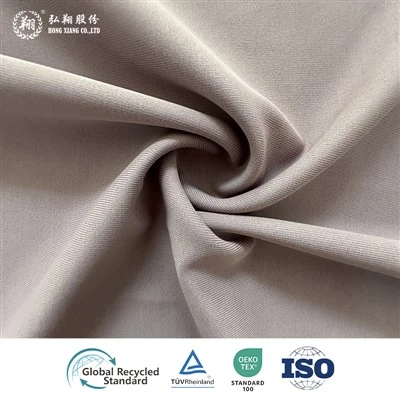
If you’re a brand, designer, or small business owner looking for fabric that checks all those boxes—comfort, durability, versatility—we’ve got a range of cotton apparel fabrics to fit whatever you’re making. Whether you need bulk orders for a new line, custom cuts, or organic options, we can hook you up to figure out the right fit for your product. Don’t hesitate to reach out to get the details sorted out, no pressure, just straight talk about what works best for your needs.
Plain Knitted Fabric references:
- USDA Agricultural Marketing Service. (2022). Cotton Fiber Characteristics and Uses. U.S. Department of Agriculture.
- Textile Institute. (2021). The Properties and Performance of Natural Fibers. Textile Institute.
- Organic Trade Association. (2023). Organic Cotton Production and Fabric Standards. Organic Trade Association.
- Journal of Textile and Apparel, Technology and Management. (2020). Comparative Analysis of Breathability in Natural and Synthetic Apparel Fabrics. Vol. 12, No. 3.
Zhejiang Hongxiang Textile Technology Co., Ltd.
Zhejiang Hongxiang Textile Technology Co., Ltd. is one of the most professional apparel fabric manufacturers and suppliers in China. With abundant experience, we warmly welcome you to wholesale custom made apparel fabric from our factory. If you have any enquiry about cooperation, please feel free to email us.
Address: No. 8, 12th Road, Warp Weaving Park, Maqiao Street, Haining City, Jiaxing City, Zhejiang Province
E-mail: gd@hongxiang888.cn
WebSite: https://www.h-xiang.com/
