If you’ve ever walked past your basement or utility closet and spotted a damp puddle pooling around your gas hot water boiler, you know that sudden leak can feel equal parts stressful and confusing. As a supplier of gas hot water boilers, I’ve spent thousands of hours walking homeowners, plumbers, and even small building operators through this exact question—because leaks are one of the most common first issues people reach out about, and almost every time, there’s a clear, fixable cause, not a catastrophic surprise. Gas Hot Water Boiler
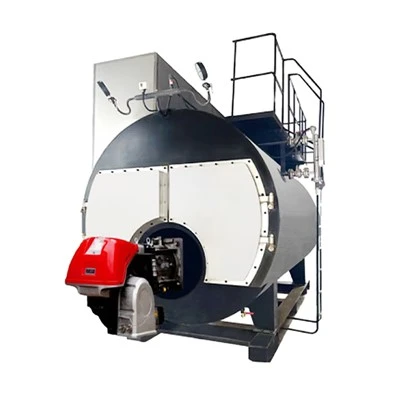
Before we dive into specific reasons, let’s set one thing straight: gas hot water boilers are built to be safe and durable, but like any appliance that operates under pressure and heat 24/7, they’re not invincible. A leak isn’t just a nuisance; it can lead to water damage, mold growth, or even gas leaks if it’s left unaddressed, so it’s never something to ignore. Over the years I’ve also learned that many people assume a leak means their boiler is “broken beyond saving” right away—and while that’s sometimes true, most of the time it’s a small, manageable issue that just needs a quick fix or replacement part.
The most common culprit I see across residential and light commercial boilers is a faulty pressure relief valve. If you’re not familiar with this part, it’s a safety feature designed to release excess pressure from your boiler when the temperature or pressure inside gets too high—something that can happen if your boiler’s thermostat is set too high, or if the boiler’s internal pressure buildup is normal but the valve can’t seal properly after releasing that pressure. I’ve had a customer call me at 2 a.m. years ago panicking because his boiler was leaking right next to his washing machine, and when our service team checked it out, it was a pressure relief valve that had just worn out after 8 years of regular use. The fix was a $20 part and a 15-minute install, and he was back up and running by morning. That said, if the pressure relief valve is leaking because your boiler’s pressure is consistently too high (not just a one-time spike), that could be a sign of a bigger issue—like a malfunctioning expansion tank that can’t absorb extra pressure as the water heats up. That’s a part I replace a lot too, especially for older boilers that were installed in homes with outdated plumbing systems that can’t handle modern pressure levels.
Another super common cause is loose or corroded pipe connections. Boilers have a network of metal pipes that carry cold water in and hot water out, and over time, those connections can vibrate from the constant cycling of the boiler, leading to small gaps. In homes with hard water, mineral deposits can build up around those fittings, eating away at the metal and causing corrosion that turns a small gap into a leak. I once helped a small café owner troubleshoot a leak that was ruining his store’s floor tiles, and we traced it to a ½-inch water supply pipe that had corroded right where it attached to the boiler’s inlet. The café owner thought he’d have to replace his entire $5,000 boiler, but we just replaced that short section of pipe and tightened the fitting, and he was good to go. The key here is checking those connections regularly—especially if your boiler is 10 years or older—because most leaks from pipes start as tiny drips that get worse before you notice them.
Then there’s the issue of a damaged heat exchanger. The heat exchanger is the part of the boiler that actually heats the water, using gas combustion to warm the metal coils that water flows through. Over years of use, those coils can develop small cracks, usually from thermal stress—meaning the constant heating and cooling of the metal causes it to expand and contract until it splits. A leaking heat exchanger is a more serious issue than a pressure valve or pipe leak, because it can also lead to carbon monoxide seeping into your home if it’s not fixed. I always warn customers that if their heat exchanger is leaking, it’s usually not worth repairing an older boiler (more than 10 to 15 years old) because the cost of replacement is almost the same as a new, more efficient model. That’s a big part of why our team puts so much emphasis on educating customers on the lifespan of their boiler—so they don’t spend money on a temporary fix that’ll just cause another issue down the line.
Don’t overlook the condensate line, either—especially if you have a high-efficiency condensing gas boiler, which is the standard now for homes looking to save on energy bills. These boilers produce a small amount of acidic condensate as a byproduct of combustion, and that water flows through a plastic condensate line to a drain. If that line gets clogged with dust, debris, or algae, the condensate can back up and leak out of the boiler. I’ve seen this happen so many times, especially in homes where the condensate line is hidden in a crawl space or basement and no one thinks to check it. It’s such an easy fix: just blowing out the line with a small air compressor, or using a mild cleaning solution to clear the clog. Most people don’t even know their condensing boiler has this line, so when it starts leaking, they assume it’s a major internal issue—but it’s just a clogged drain.
One less obvious cause is a faulty water inlet valve. That valve controls how much cold water enters the boiler to replace the hot water that’s used throughout the home. If the valve is stuck open or the seal inside wears out, water will keep flowing into the boiler even when it’s full, leading to overflow from the top of the unit or a drip from the pressure relief valve. I had a customer last winter who kept having to mop up water around her boiler every other day, and we tested the inlet valve and found that its rubber seal had degraded after 5 years of being exposed to hard water minerals. Replacing that valve was straightforward, and it stopped the leak immediately.
Now, as a supplier, I always tell customers to approach a boiler leak with a few basic checks first, before calling a professional. First, check the boiler’s pressure gauge—most modern boilers have one right on the front. If it’s reading above 2 bar (the ideal range is 1 to 1.5 bar), that’s likely a pressure issue you can fix by bleeding the radiators to release extra air and pressure. If the pressure is low, the inlet valve might be faulty, or you might have a leak somewhere. Second, look for where the leak is coming from: is it right at the top of the unit? That could be the condensate line or pressure relief valve. Is it dripping from a pipe? That’s a loose connection. Is it coming from the side of the boiler? That’s almost certainly a heat exchanger issue.
But here’s the thing I wish every homeowner knew: not all boiler leaks are DIY fixes. If you don’t have basic plumbing knowledge, or if the leak is coming from the heat exchanger or a gas line (which is rare, but possible with old boilers), you should never try to repair it yourself. Gas lines require certified technicians to work on, and a mistake there could be dangerous. That’s why as a supplier, we’ve built a network of certified professionals who can come out and inspect your boiler, whether you need a small part replaced or a whole new unit. We don’t just sell boilers—we support our customers through every step, from installation to routine maintenance to repairs.
Routine maintenance is actually the best way to avoid leaks in the first place. I can’t stress this enough. A yearly checkup from a certified tech can catch small issues like corroded pipes, worn valve seals, or a clogged condensate line before they turn into a major leak. Most boiler leaks happen because of neglected maintenance—people wait until there’s a puddle to do anything, and by then the problem has gotten worse. We always remind our customers to schedule a tune-up every spring or fall, even if their boiler is working fine. It’s a small cost that saves you hundreds in water damage and repair bills later.
If you’re dealing with a gas hot water boiler leak right now, don’t panic. Start by turning off the gas supply to the boiler (usually a switch near the unit) and shutting off the water inlet valve to stop more water from flowing. Then take a photo of the leak and note where it’s coming from, which will help us or a professional diagnose the issue quickly. If your boiler is more than 15 years old, it might be time to consider replacing it with a new, efficient model instead of repairing it—new boilers are not only less likely to leak, but they can also save you 20% or more on your gas bills each year.

At the end of the day, a boiler leak is a common problem, but it’s one that doesn’t have to derail your day or your budget. If you’re dealing with a leak, or you have questions about your boiler’s maintenance or replacement options, we’re here to help. We work with homeowners, plumbers, and contractors to provide high-quality, reliable gas hot water boilers tailored to every home’s needs, and our team can walk you through every step of the process, from picking the right unit to installation and beyond. There’s no issue too small or too big—reach out to us to discuss your boiler leak, get a professional recommendation, or learn more about upgrading your system.
LNG Refueling Machine References
- International Association of Plumbing and Mechanical Officials. (2021). Gas-Fired Water Boilers: Installation, Maintenance, and Troubleshooting Guidelines. IAPMO Press.
- U.S. Department of Energy. (2022). Residential Water Heater and Boiler Maintenance Tips. Office of Energy Efficiency & Renewable Energy.
- Gas Appliance Manufacturers Association. (2020). Common Failure Points in Gas Hot Water Heating Systems. GAMA Technical Bulletin 17-02.
- Consumer Product Safety Commission. (2021). Safety Guidelines for Pressure Relief Valves in Residential Heating Boilers. CPSC Public Advisory.
Xinxiang Huayuan Container Equipment Co., Ltd.
With abundant experience, we are one of the most reliable gas hot water boiler manufacturers and suppliers in China. We warmly welcome you to buy durable gas hot water boiler made in China here from our factory. If you have any enquiry about cooperation, please feel free to email us.
Address: No.2, South Road, Industrial Cluster Zone, Genghuang Township, Fengquan District, Xinxiang City, Henan Province
E-mail: cncd527@gmail.com
WebSite: https://www.huayuanequipment.com/
